
Learn
Learn About Private Notes and Zero-Knowledge Apps
Practical explainers for privacy-first notes, client-side encryption, and mind mapping workflows.
Learn
Practical explainers for privacy-first notes, client-side encryption, and mind mapping workflows.

Learn article
For notes, zero-knowledge means the service is designed so the provider does not need access to the readable contents of your notes in normal operation.

Learn article
Client-side encryption means your device encrypts the note before it is sent to the server.
Learn article
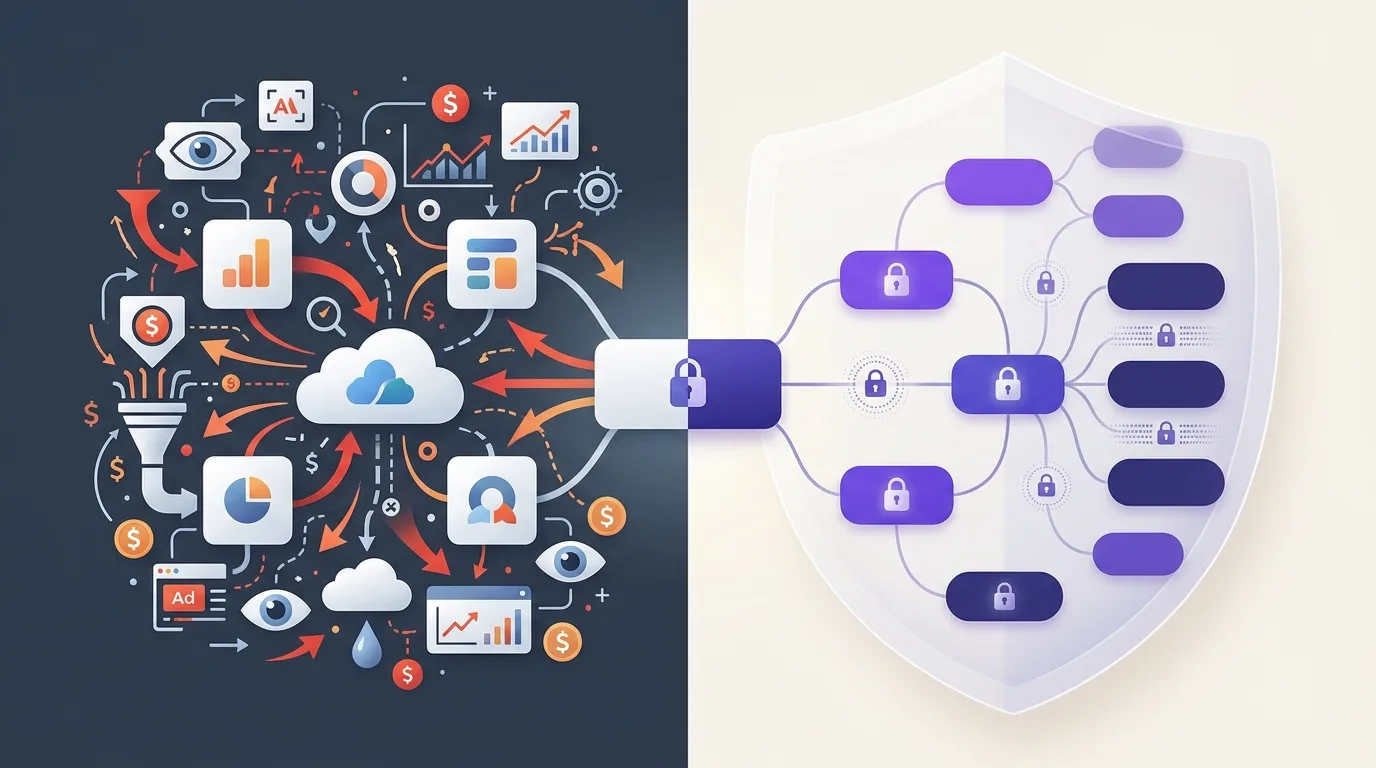
An encrypted app uses encryption somewhere in the system. A zero-knowledge app is designed so the provider does not need the ability to read the content in...
Learn article
Because notes are often more personal than polished documents. They are where people think before they are ready to share.
Learn article
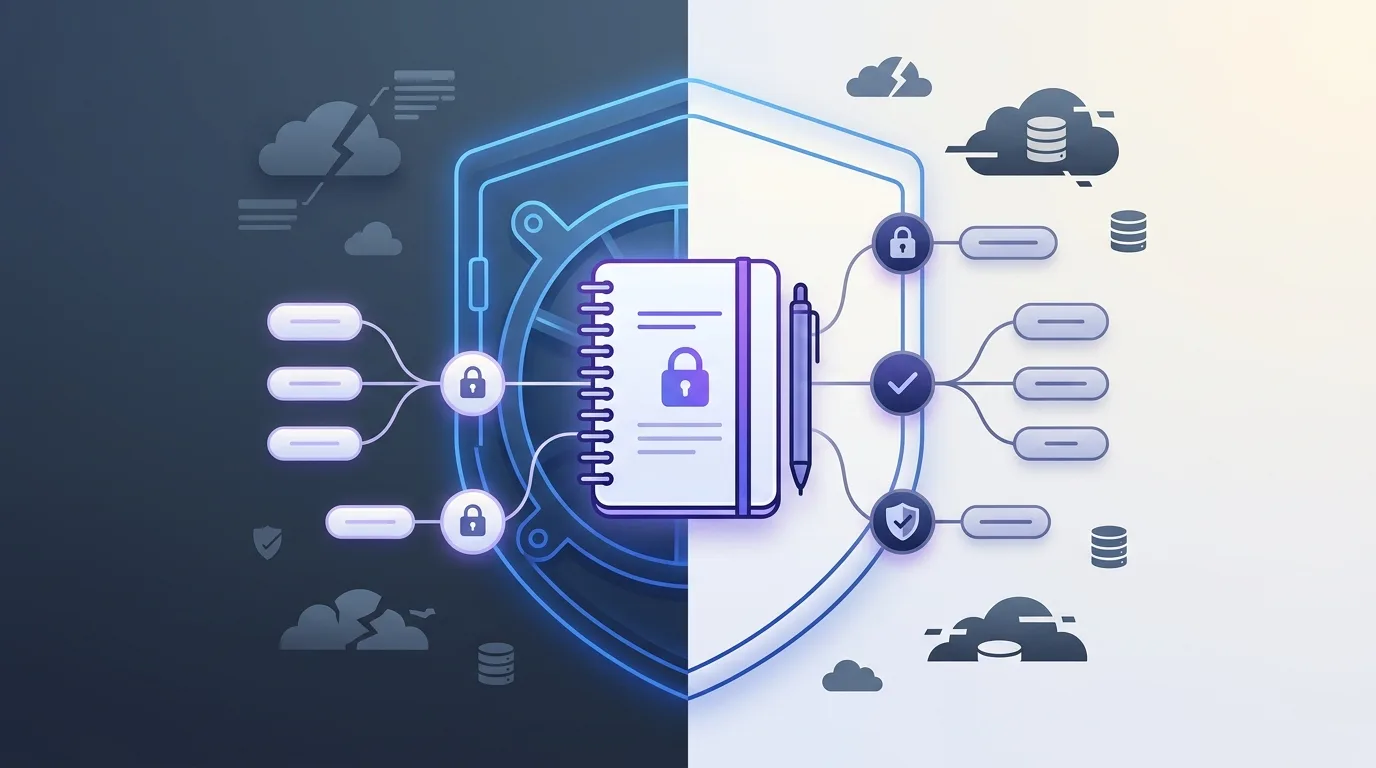
This question should be asked much more directly. Many product pages talk around it because the honest answer can be uncomfortable. If you store private...
Learn article
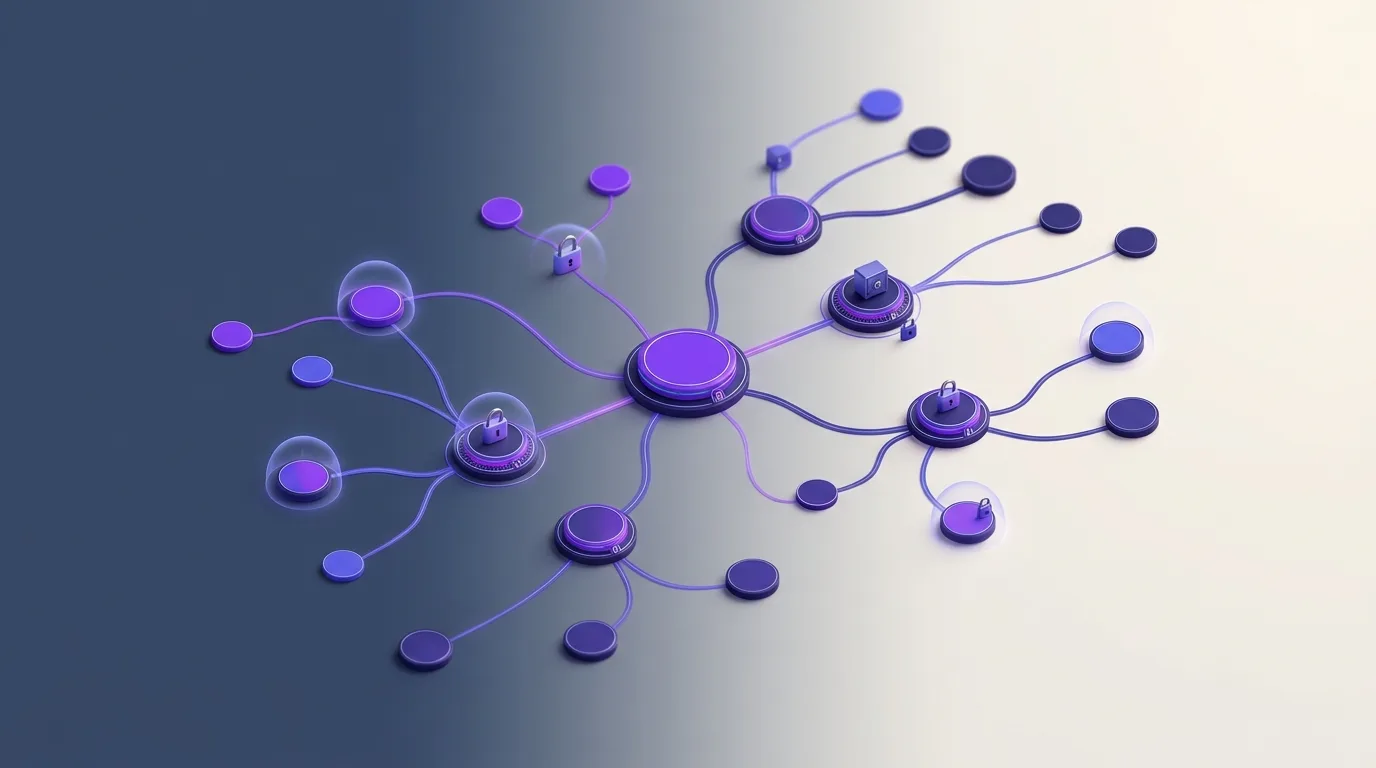
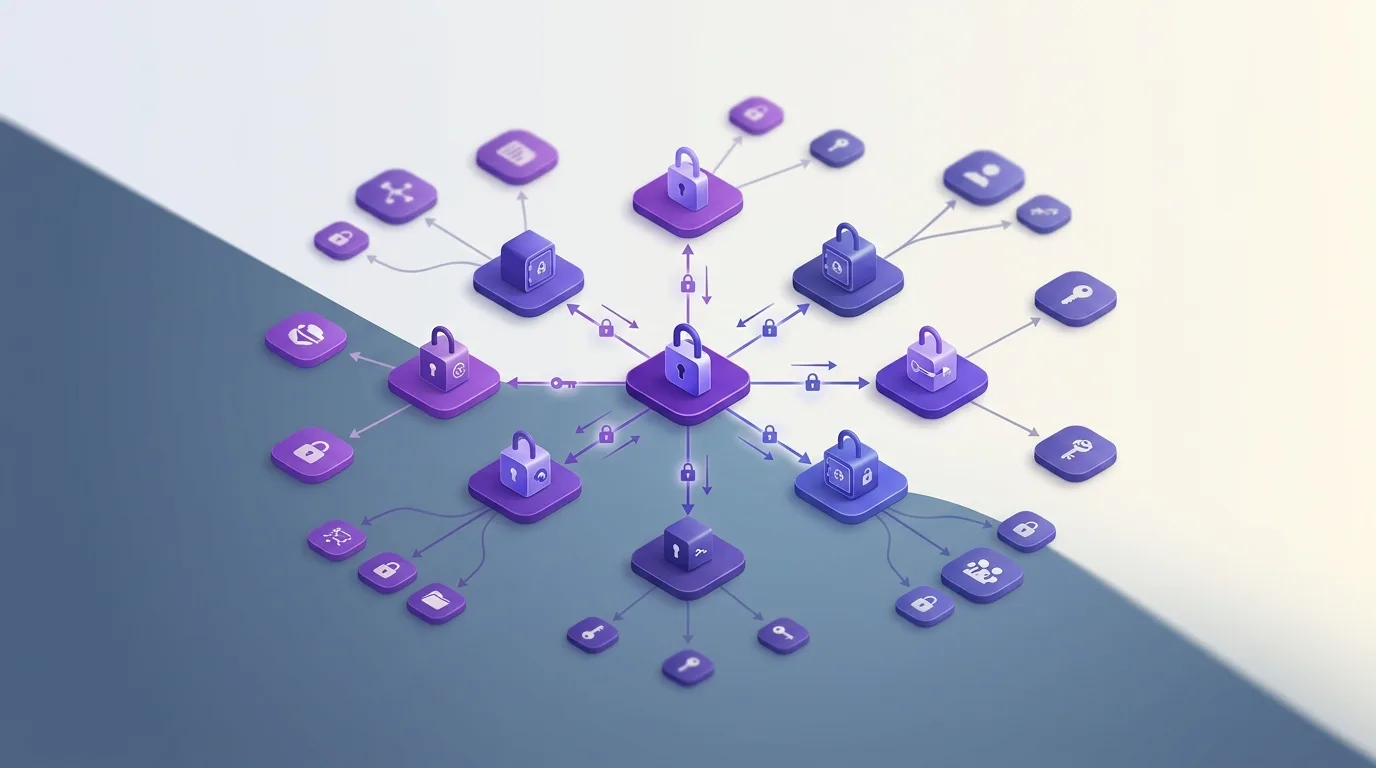
Private note-taking is not just a feature question. It is a question of threat model, trust boundaries, and working style. If you only look for the...
Learn article
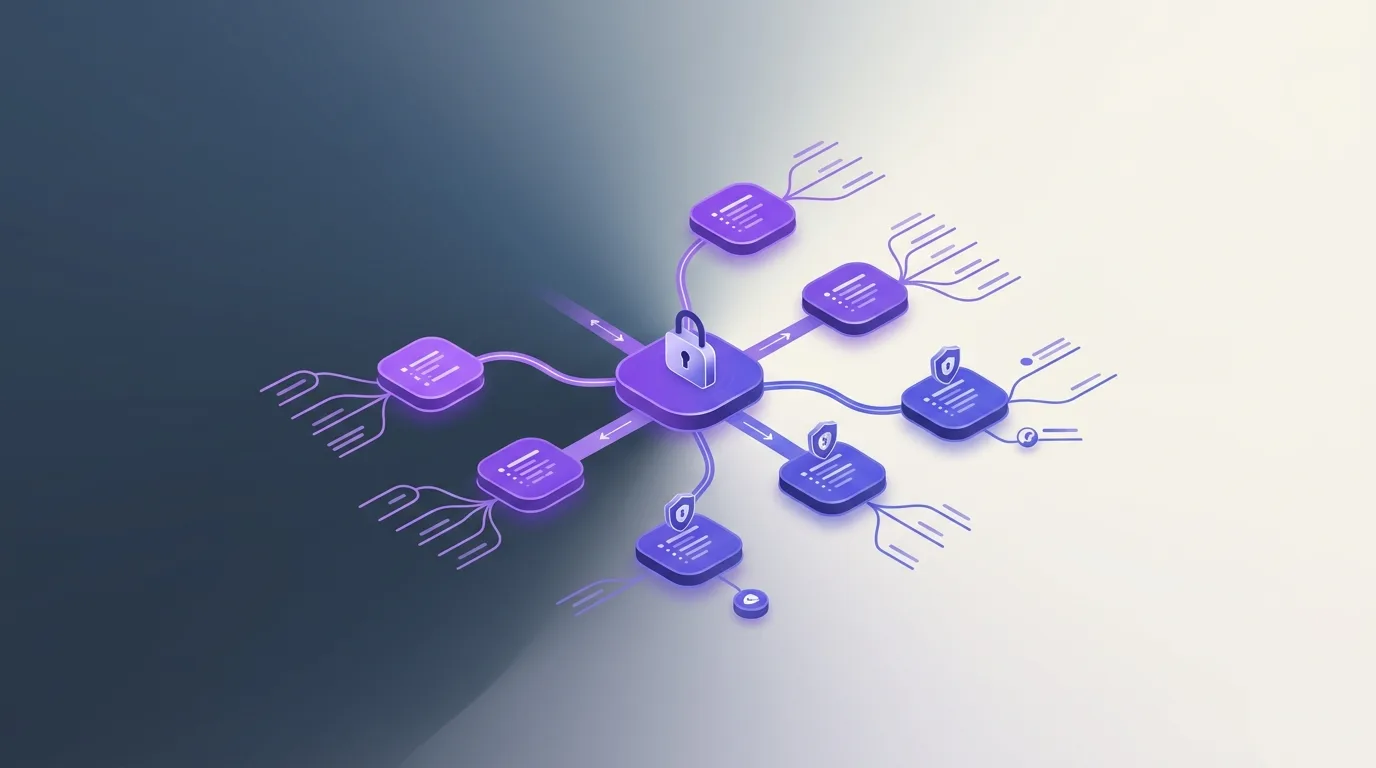
End-to-end encryption matters, but it does not automatically answer every security question around a notes product. The term sounds strong, but in practice...
Learn article
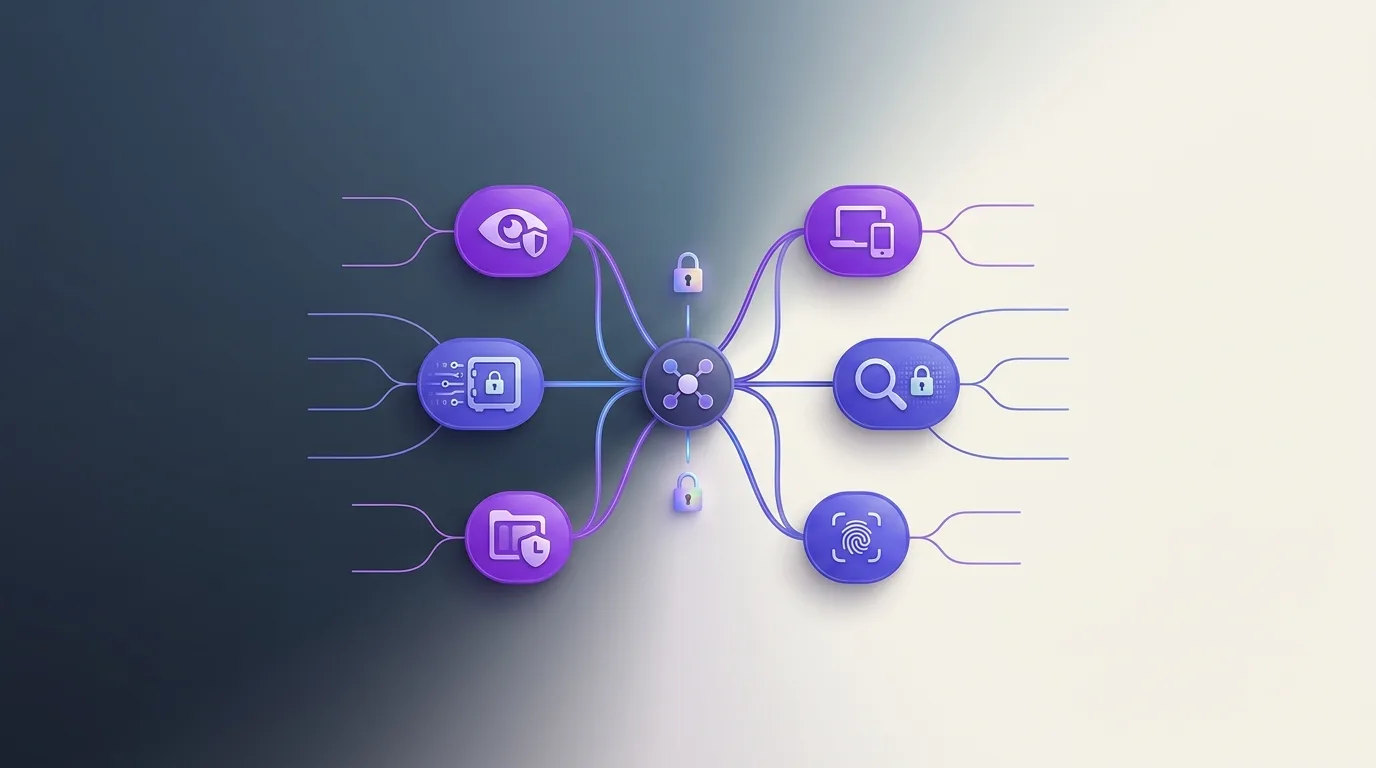
Early research, planning notes, and unfinished drafts often need more protection than final published versions. These in-between states reveal what you are...
Learn article
If you are choosing a private note app, do not focus only on nice security language or prominent certifications. More important is whether the product can...
Learn article
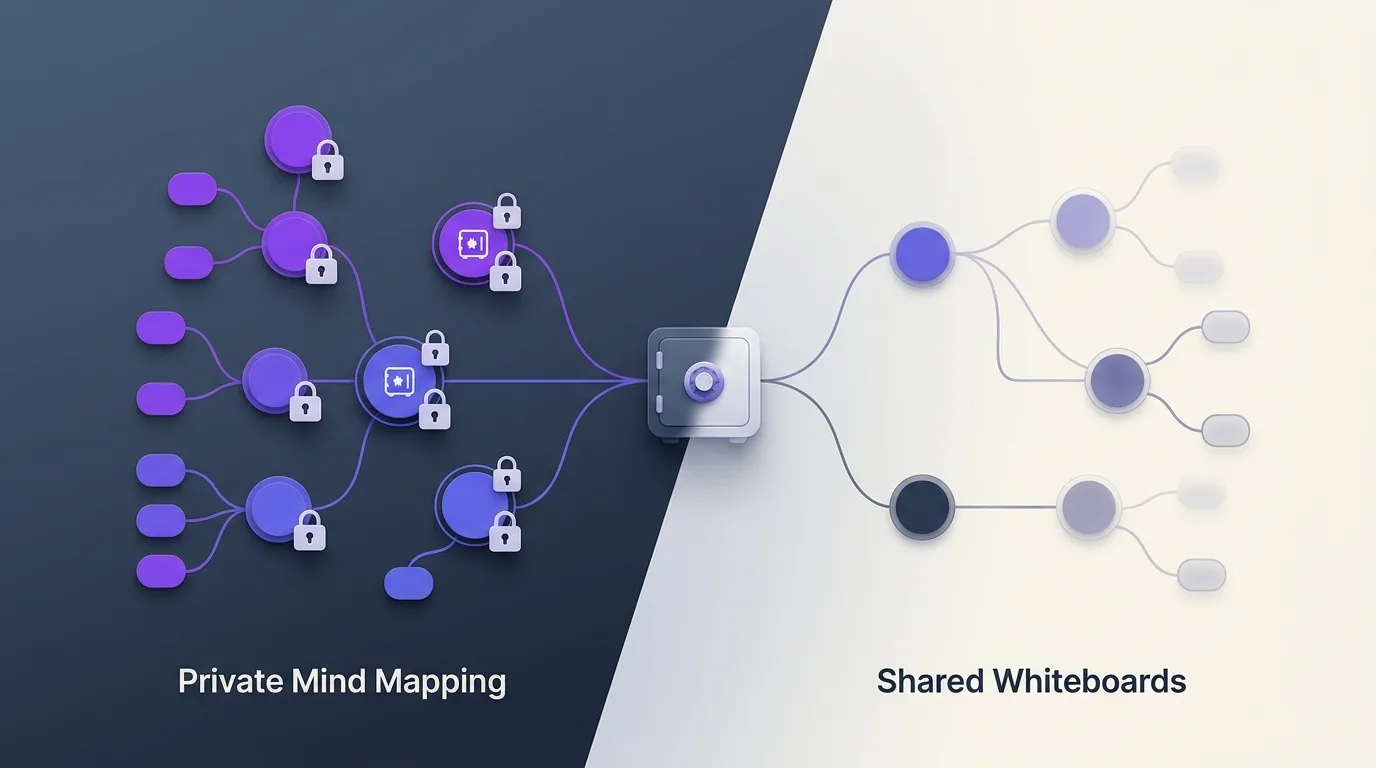
Shared whiteboards and private mind mapping tools can look similar at first glance. Both offer visual space, nodes, connections, and spatial thinking. In...
Learn article
Local storage is not automatically the right choice for everyone. But in some situations, it is the most consistent way to keep control of your data and...
Learn article
A product cannot credibly market itself as privacy-first while still keeping more visibility in the background than users would reasonably expect. Hidden...
Learn article
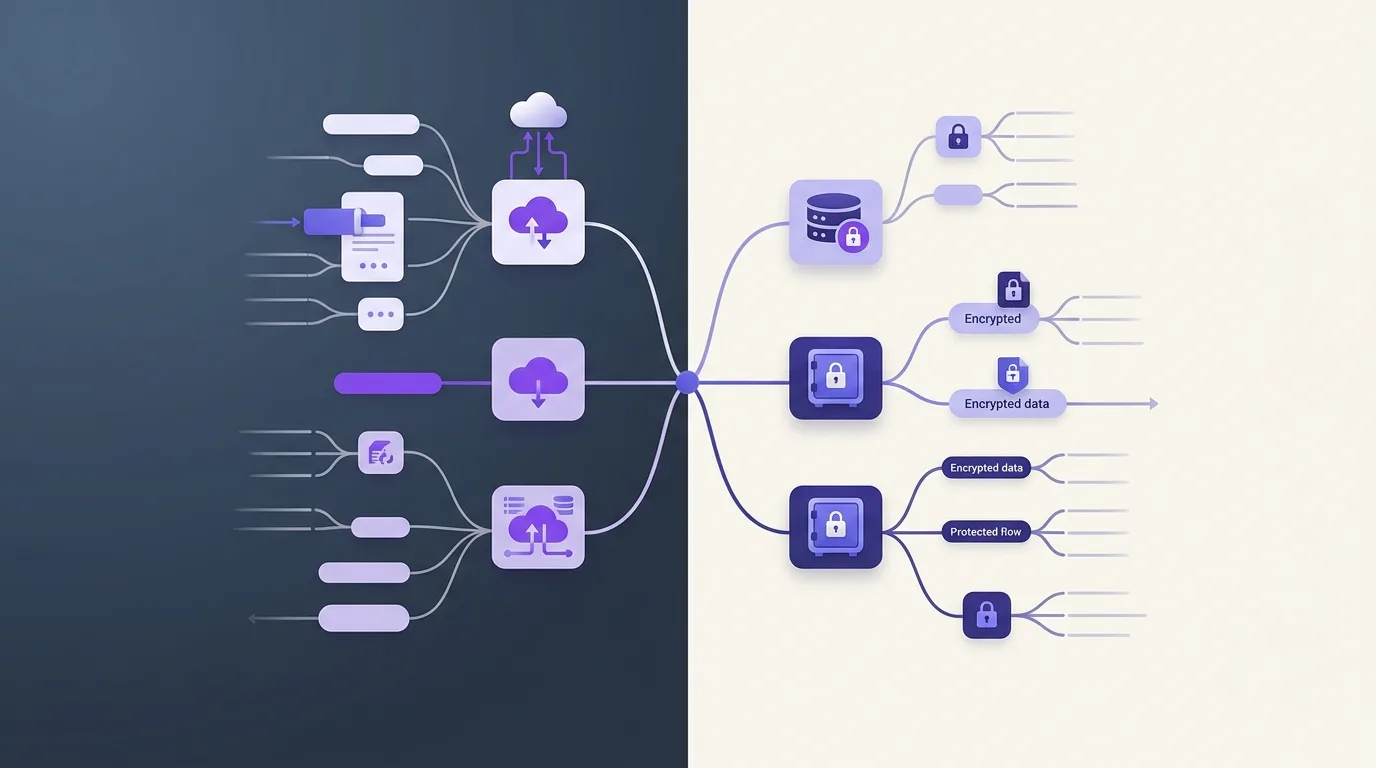
Many people are not choosing between a good product and a bad one. They are choosing between two legitimate operating models. Hosted encrypted sync can be...
Learn article
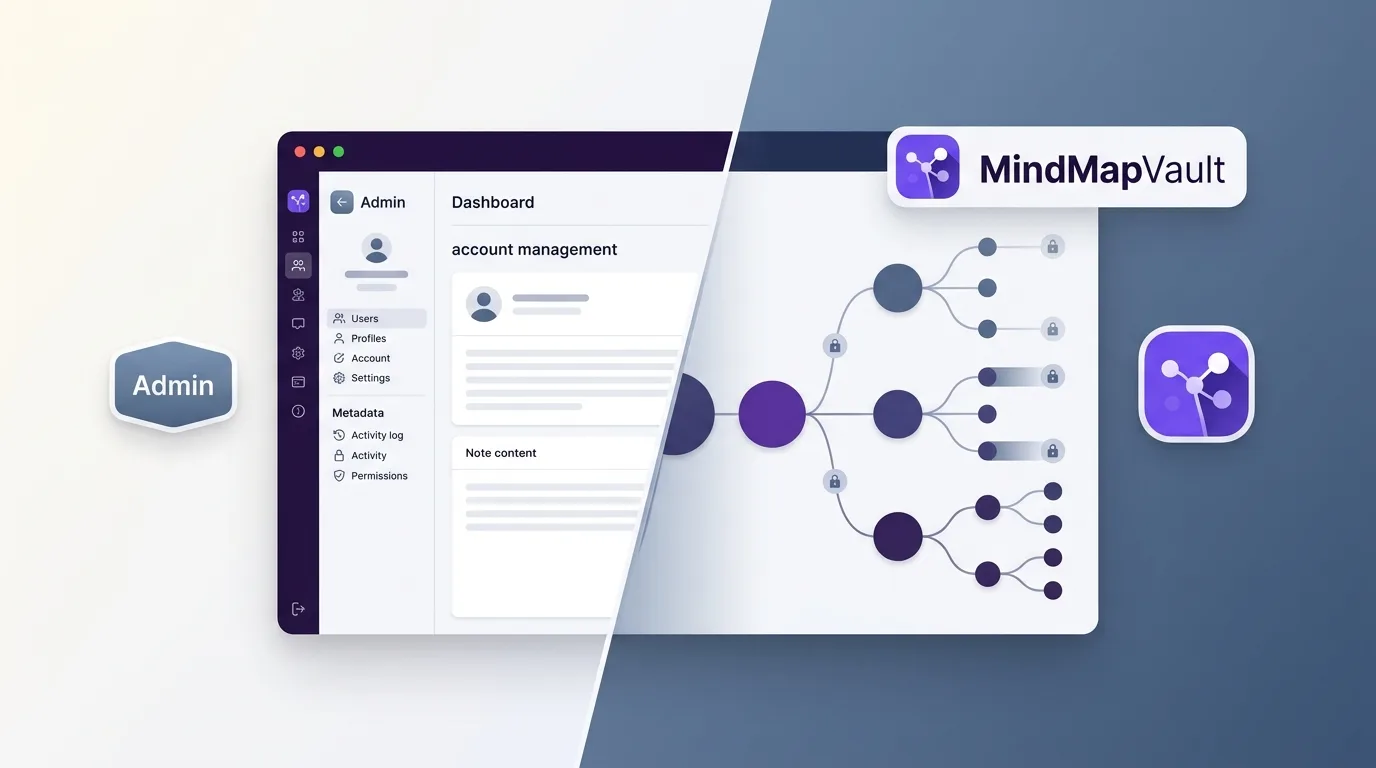
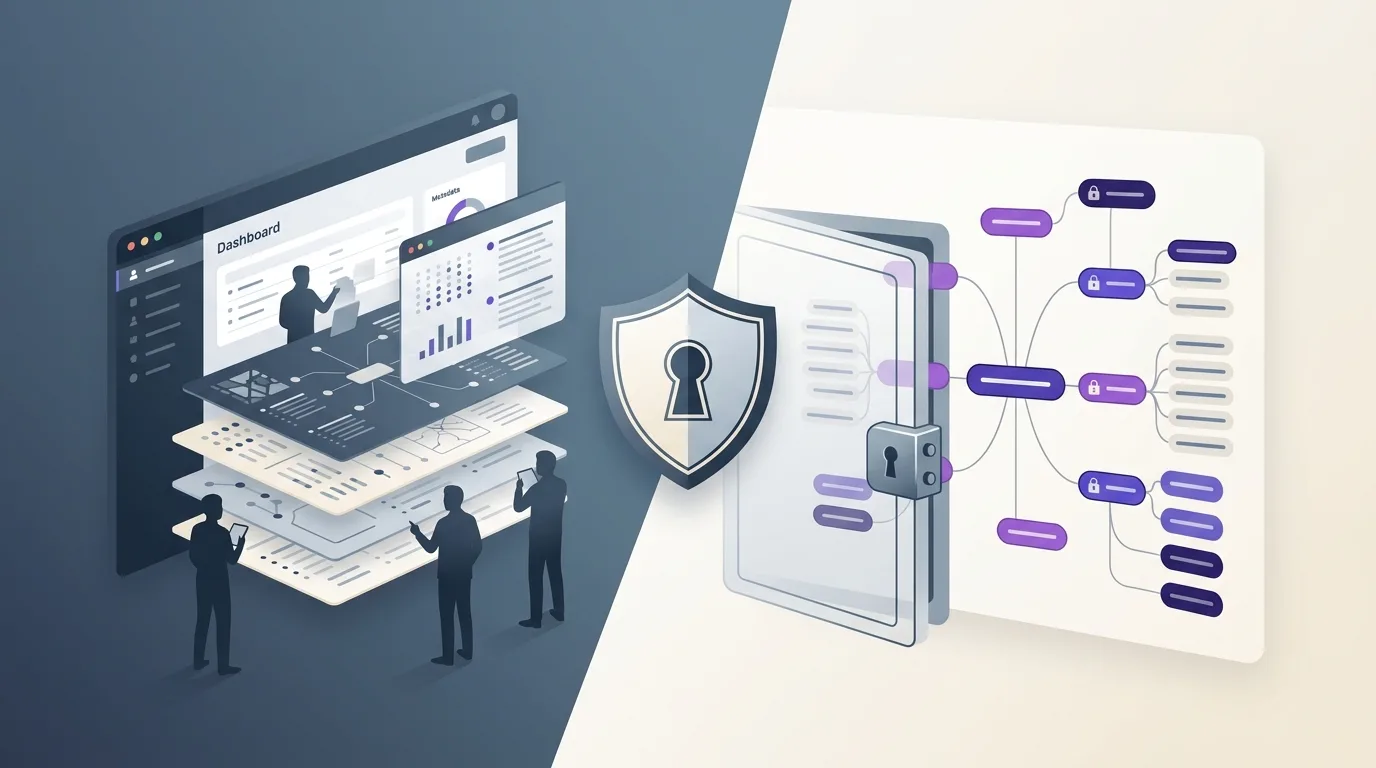
In many hosted apps, admins can manage accounts. That does not automatically mean they can read note content, but in many products they can or the system...
Learn article
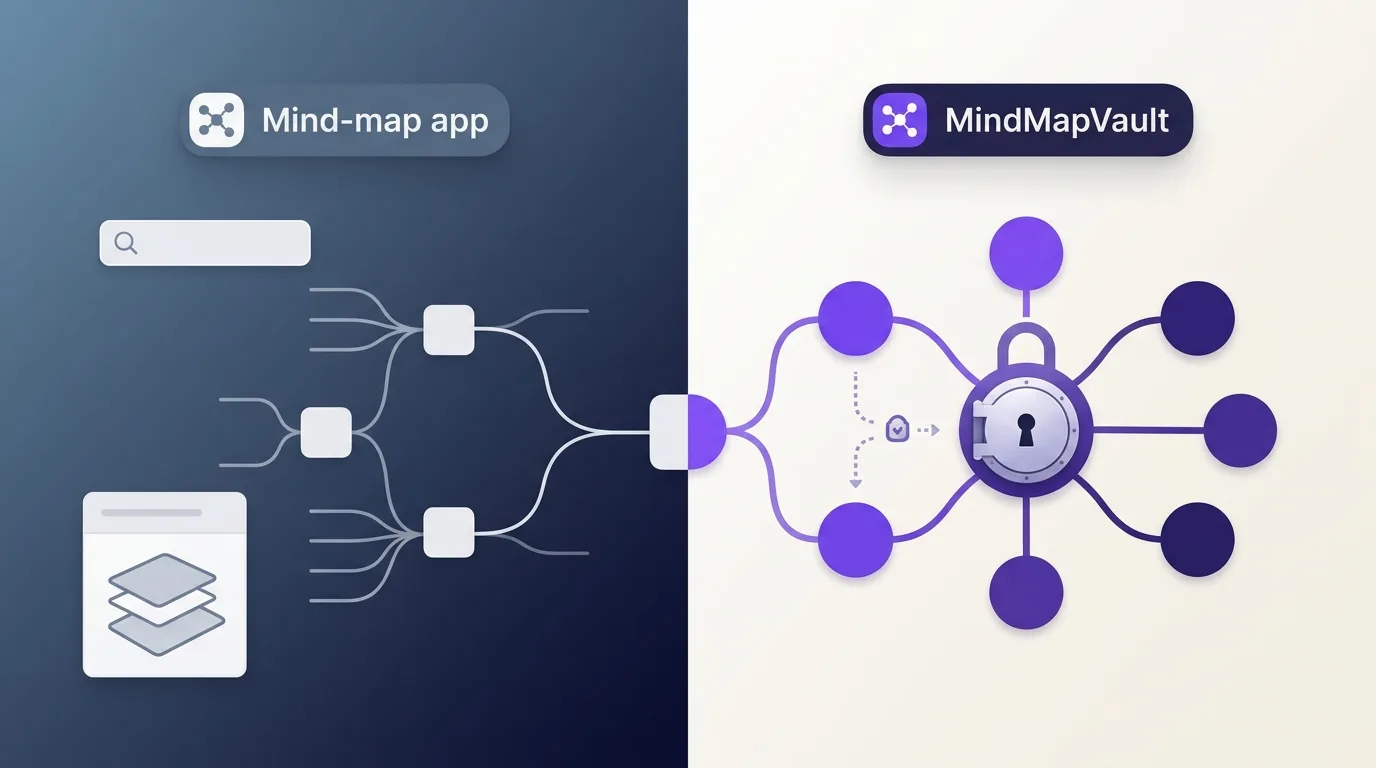
It depends entirely on the product design. Yes, somebody at the company may have a technical path to readable content, even if that path is restricted and...
Learn article
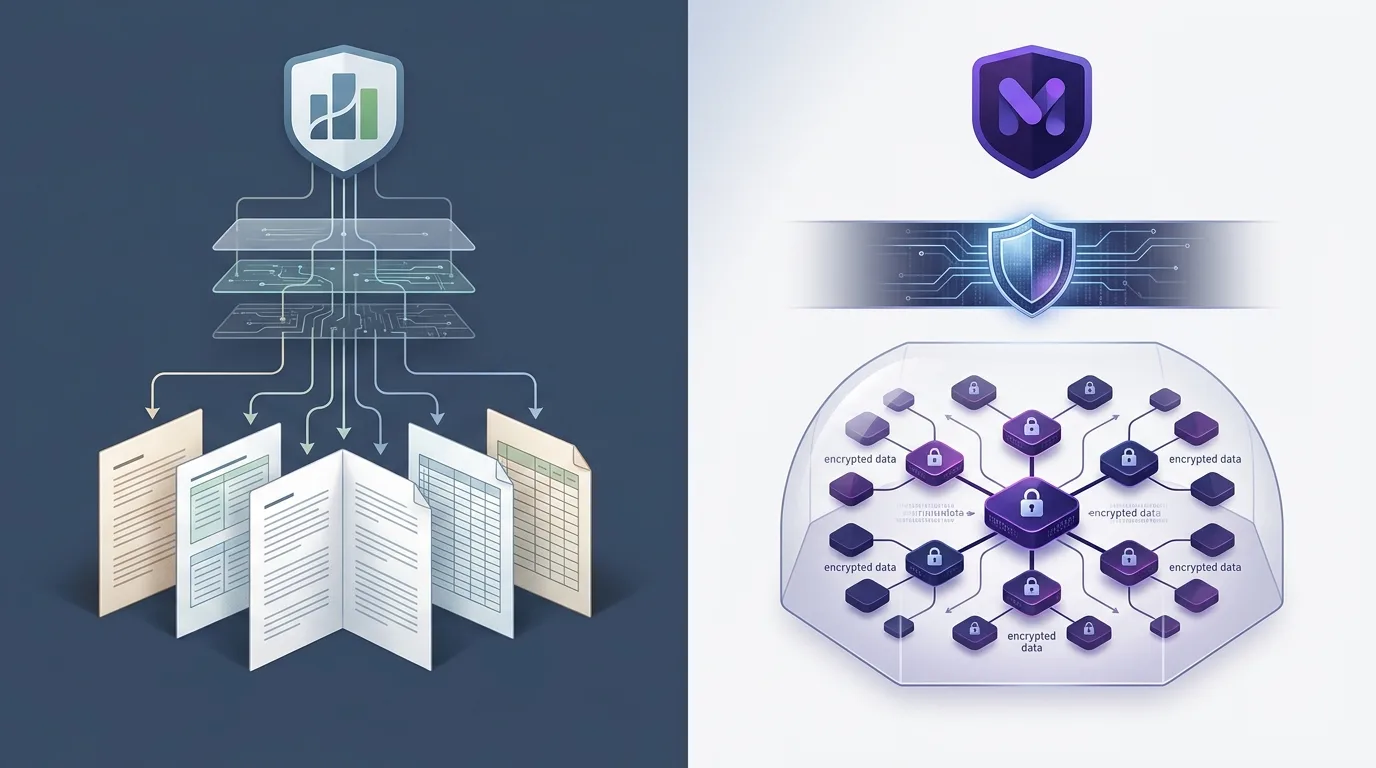
Many of them can. Some are designed so they do not need to. A mind map does not only contain note text. It also contains structure:
Learn article
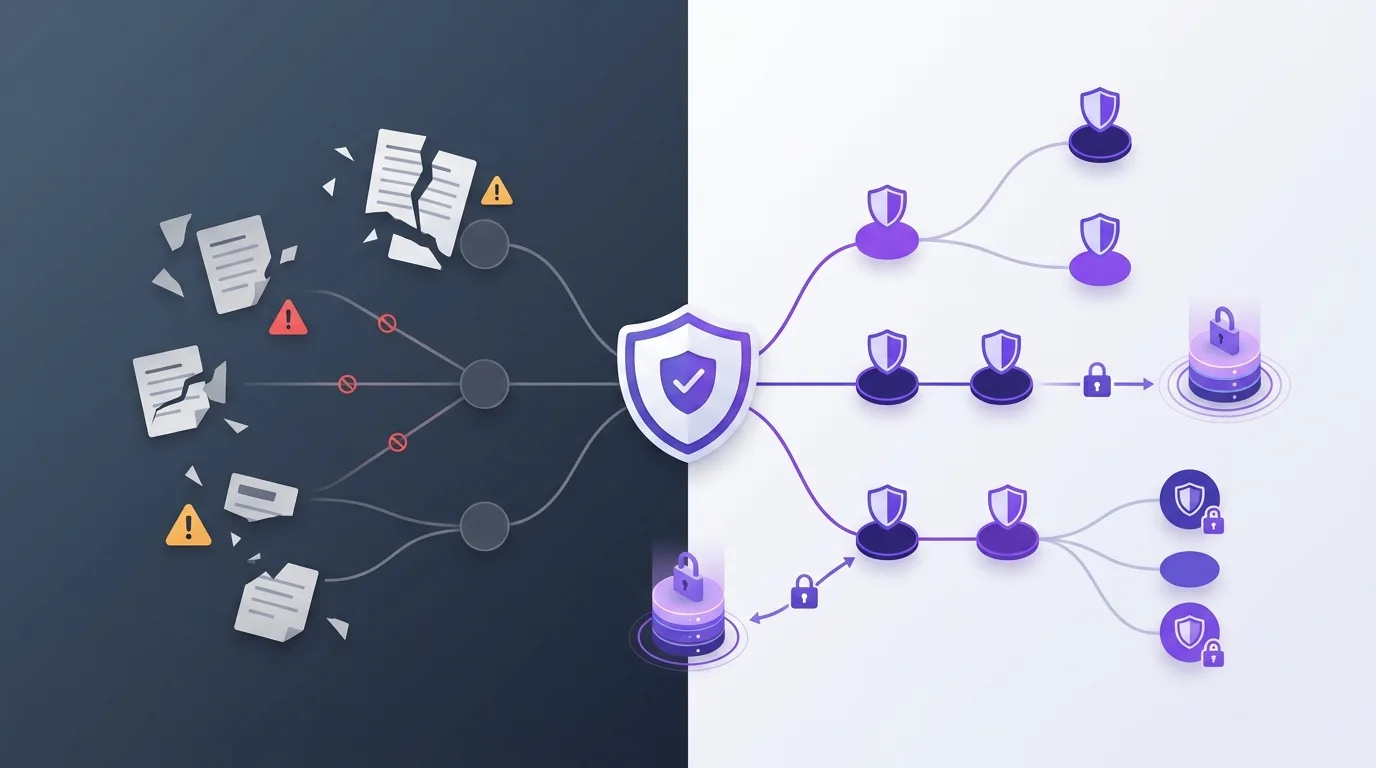
In many note products, yes, the company can technically access readable notes even if policy says that access is restricted. In a stronger privacy model,...
Learn article
No tool removes all risk, but you can lower risk a lot by reducing how much readable data exists outside your own device.
Learn article
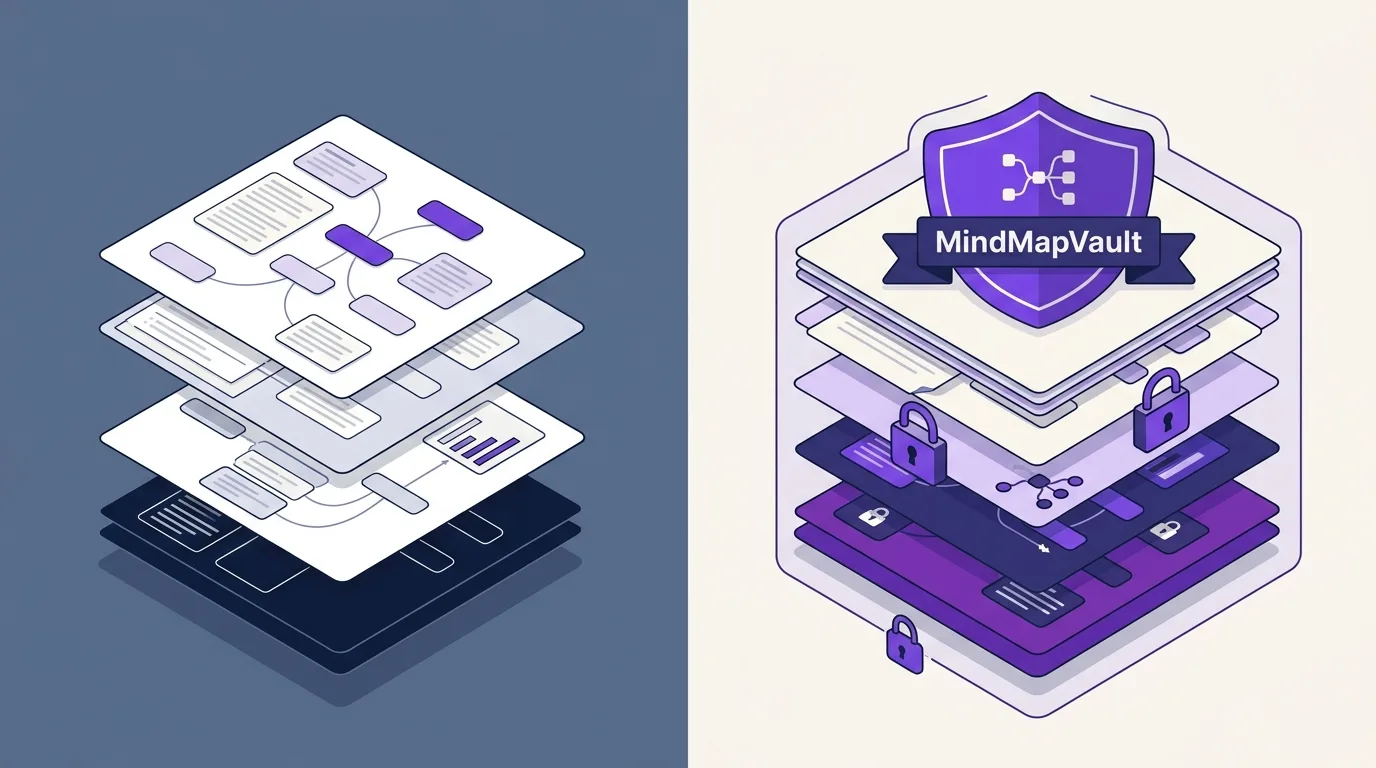
Privacy is not a yes-or-no label. It is a stack of questions about access, storage, metadata, recovery, and trust.
Learn article
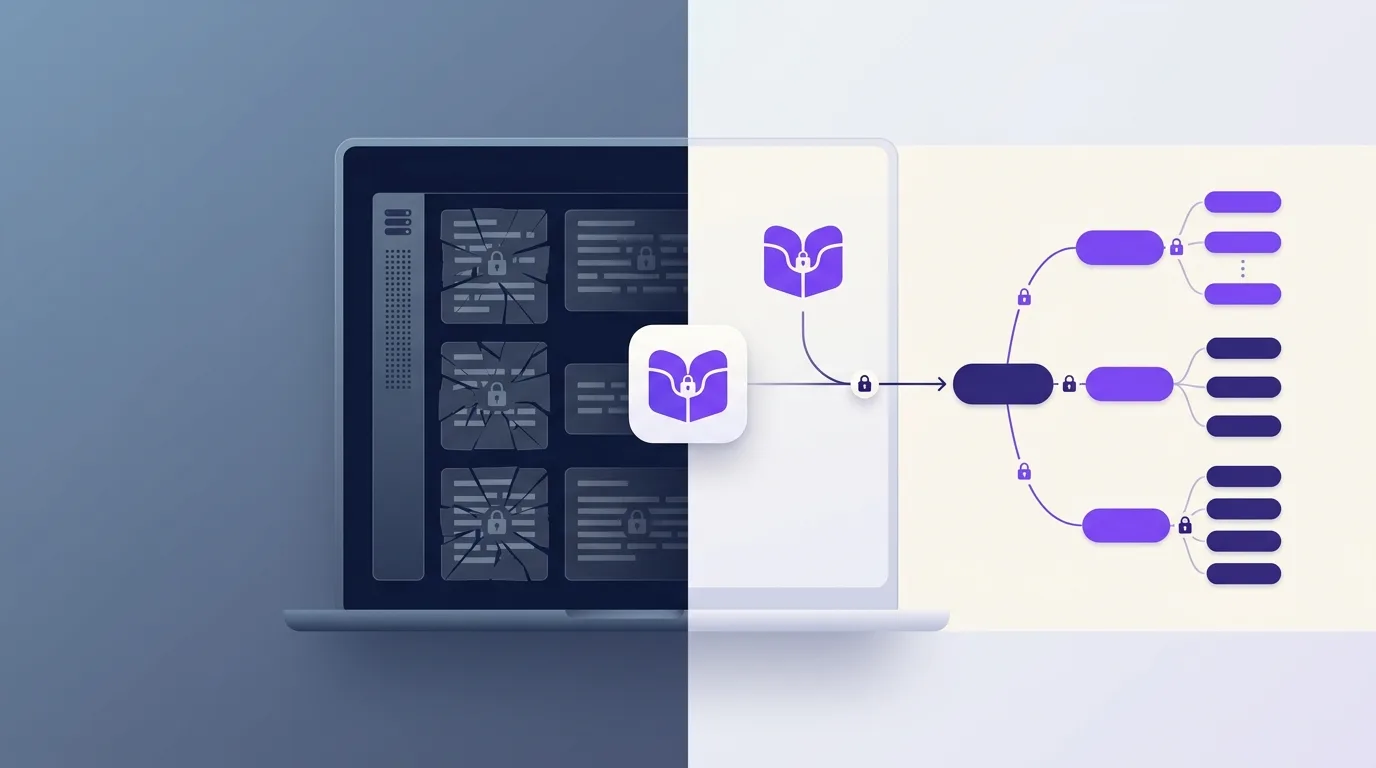
In practice, it means the user's device encrypts and decrypts the real content, while the service stores encrypted data it cannot casually interpret.
Learn article
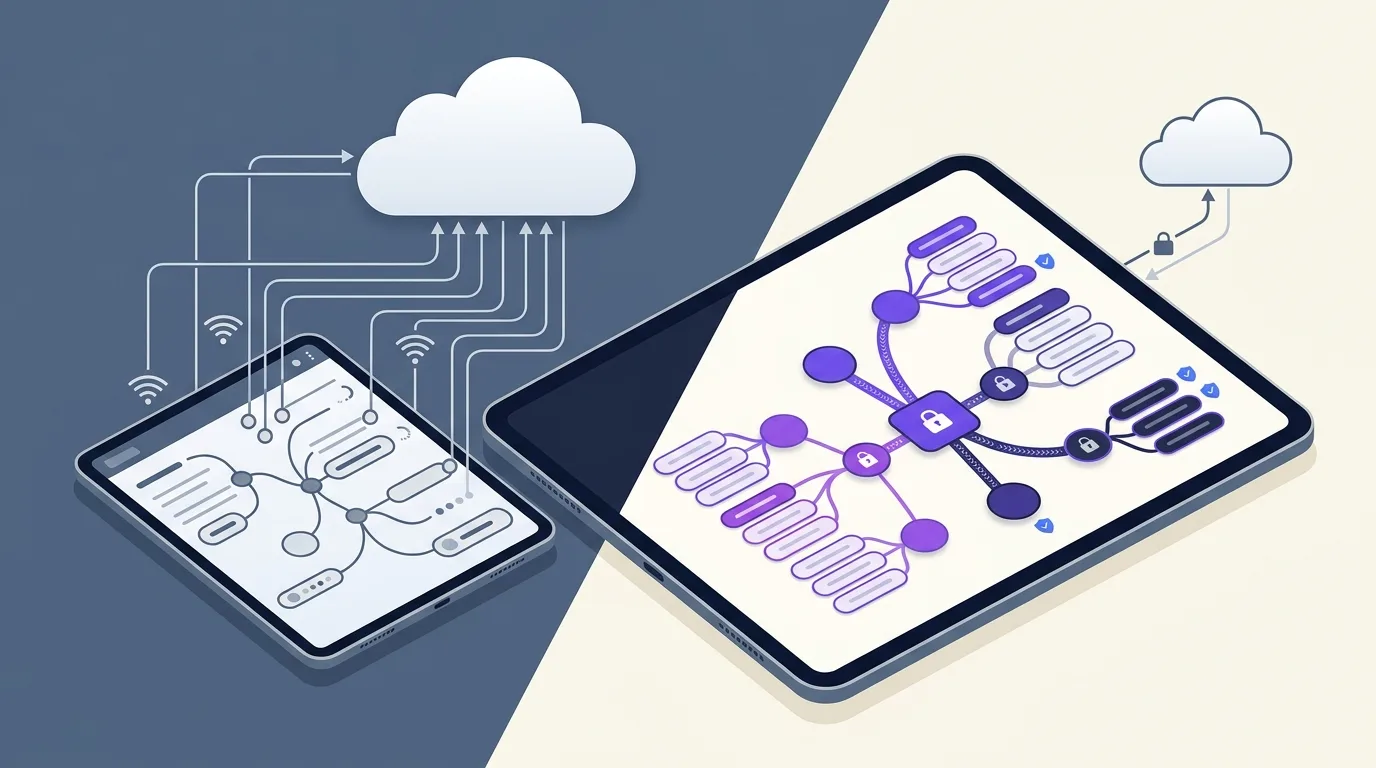
Local-first notes means the main copy of your notes lives on your device first, and sync is usually built around that local copy rather than replacing it.
Learn article
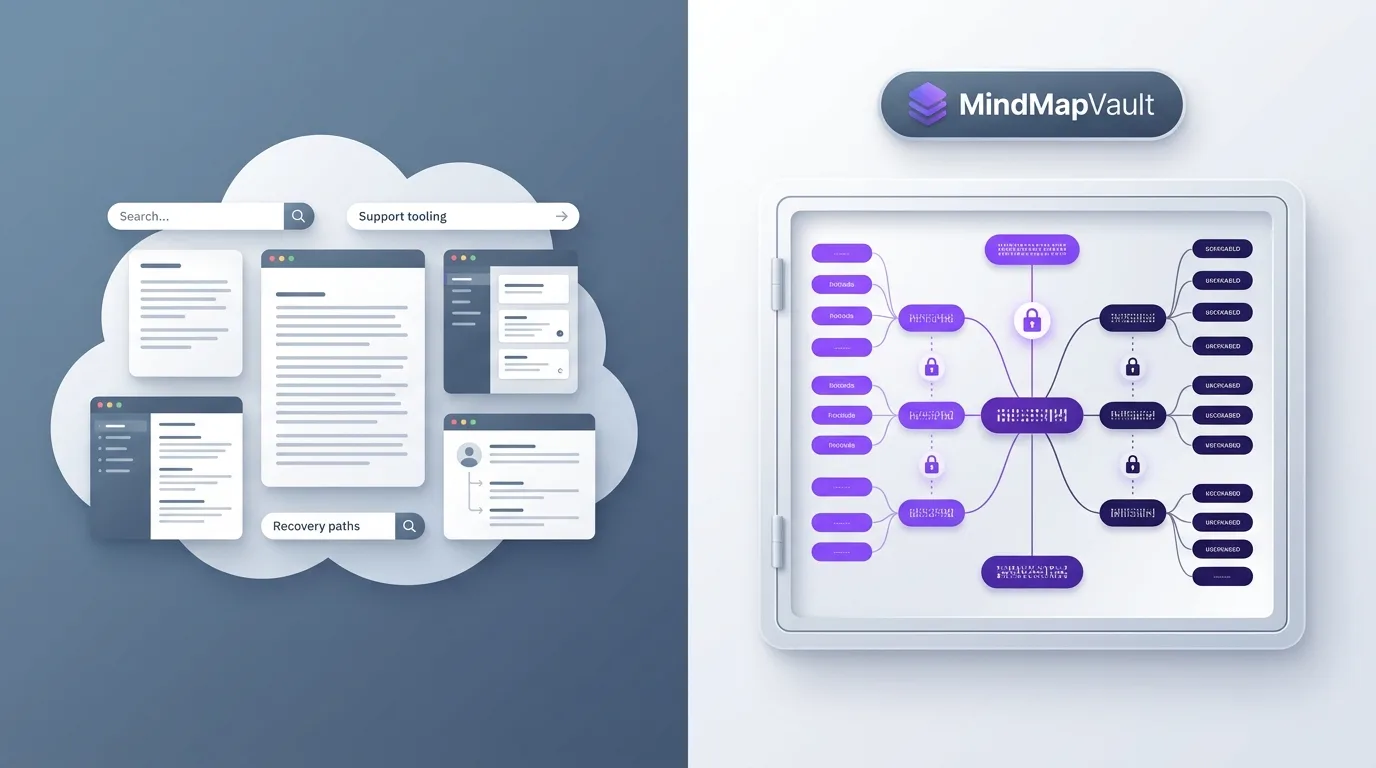
Cloud notes are often convenient, but convenience does not automatically mean privacy. In many products, the provider can still read the stored note...
Learn article
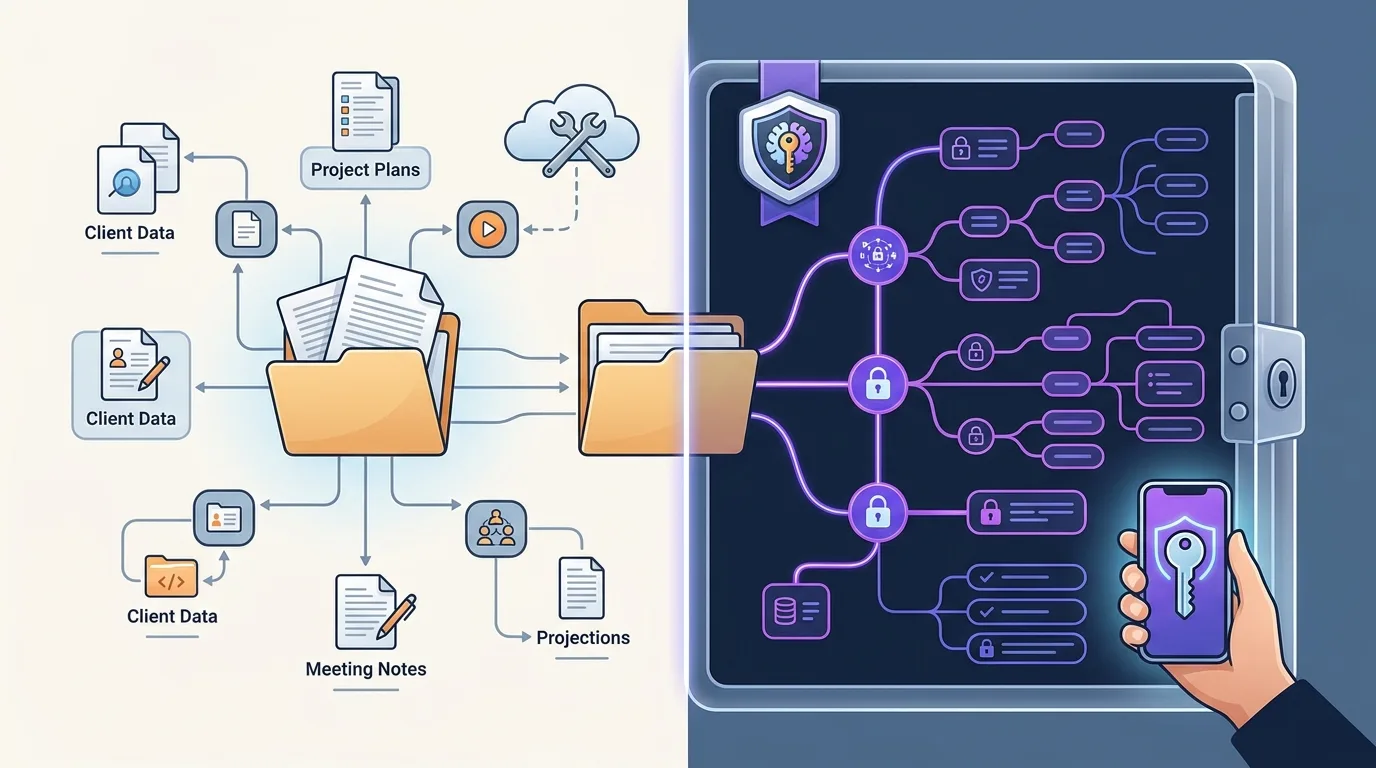
Zero-knowledge matters because many notes are not finished documents. They are private thinking in progress.
Learn article
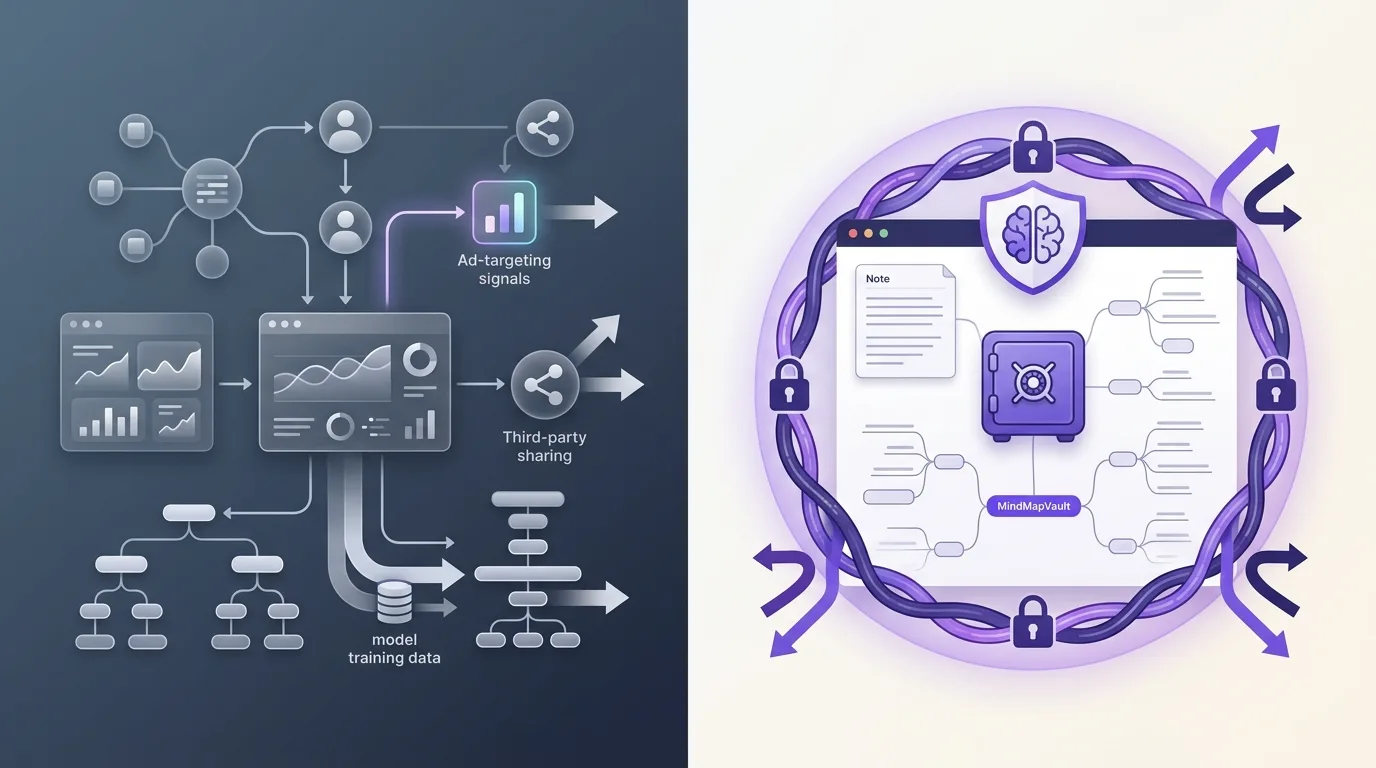
Some software companies turn customer data into revenue directly or indirectly. That can happen through advertising, analytics, third-party sharing,...