Can Anybody Read My Notes?
Short answer
It depends entirely on the product design.
In many note apps
Yes, somebody at the company may have a technical path to readable content, even if that path is restricted and rarely used.
In a stronger privacy model
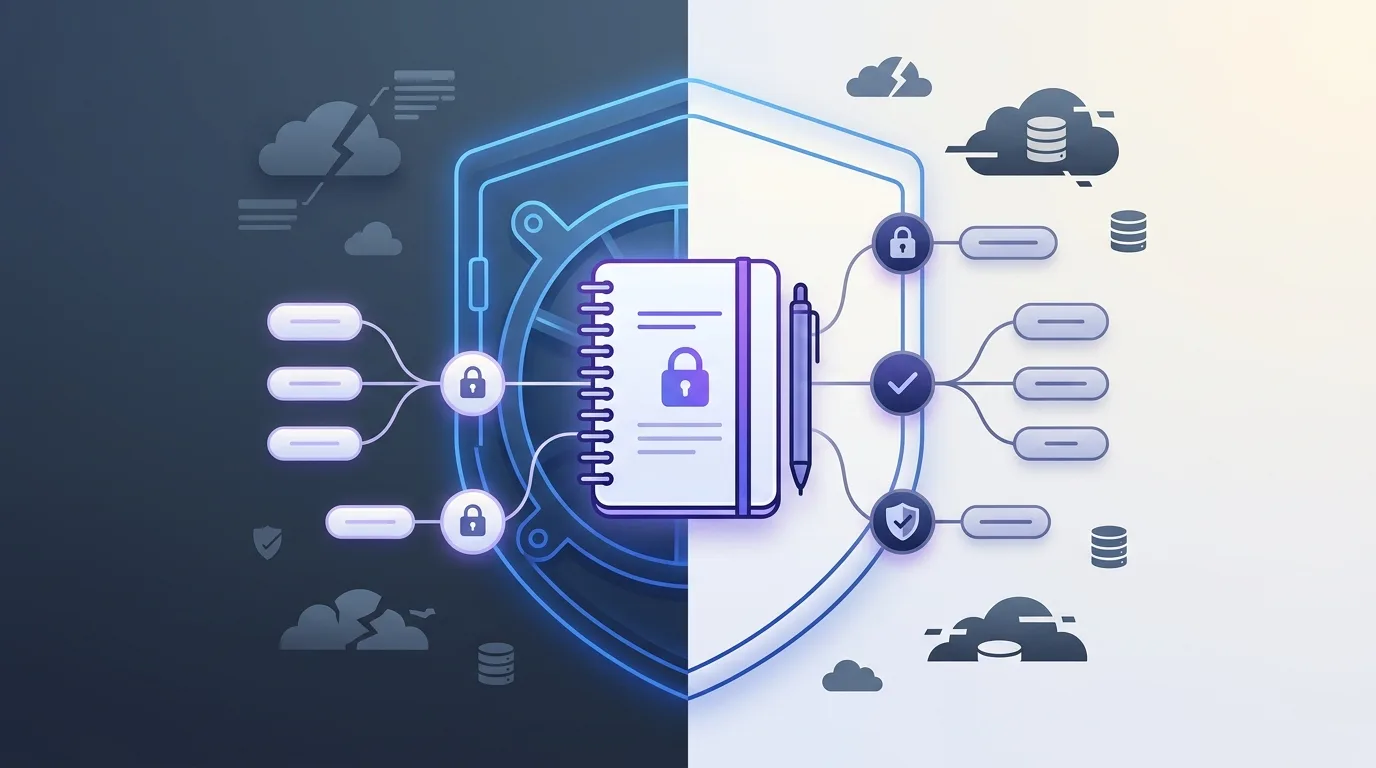
The goal is that readable notes stay on your device, and the server only stores encrypted data. In that model, the company should not have a normal way to read the note body.
The real questions to ask
- Can support staff open a note?
- Can admins inspect note content?
- Are notes processed in plain text on the server for search or previews?
- If the database leaks, is the note still unreadable?
Why the answer is often unclear
Privacy pages sometimes describe policies, not capabilities. A company may say it does not normally read notes, but the better question is whether it technically can.
Who can read notes in practice
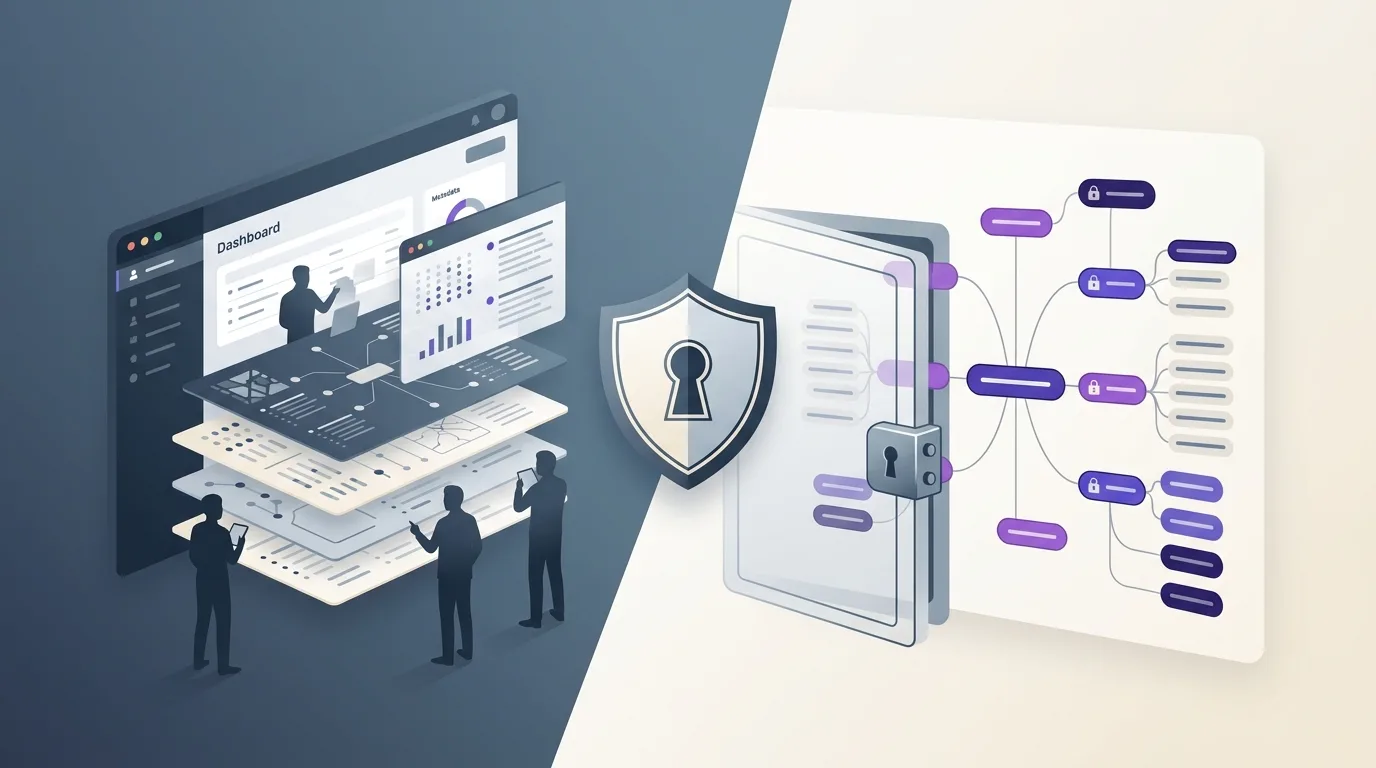
Different products create different read paths:
- the end user, on the device that owns the keys
- support staff, if the product has content-aware tools
- administrators, if backend systems can decrypt notes
- third-party integrations, if exported or synced data is not isolated
Common failure modes
- server-side search that indexes readable note text
- preview generation that happens before encryption
- recovery flows that require the provider to unlock content
- logs or analytics that capture content fragments unexpectedly
A practical takeaway
When judging note privacy, focus on technical access, not only good intentions.
The safest answer is not "nobody can ever read anything." The useful answer is "the provider does not have a normal, convenient path to readable notes."