Can My Notes Provider Read My Data?
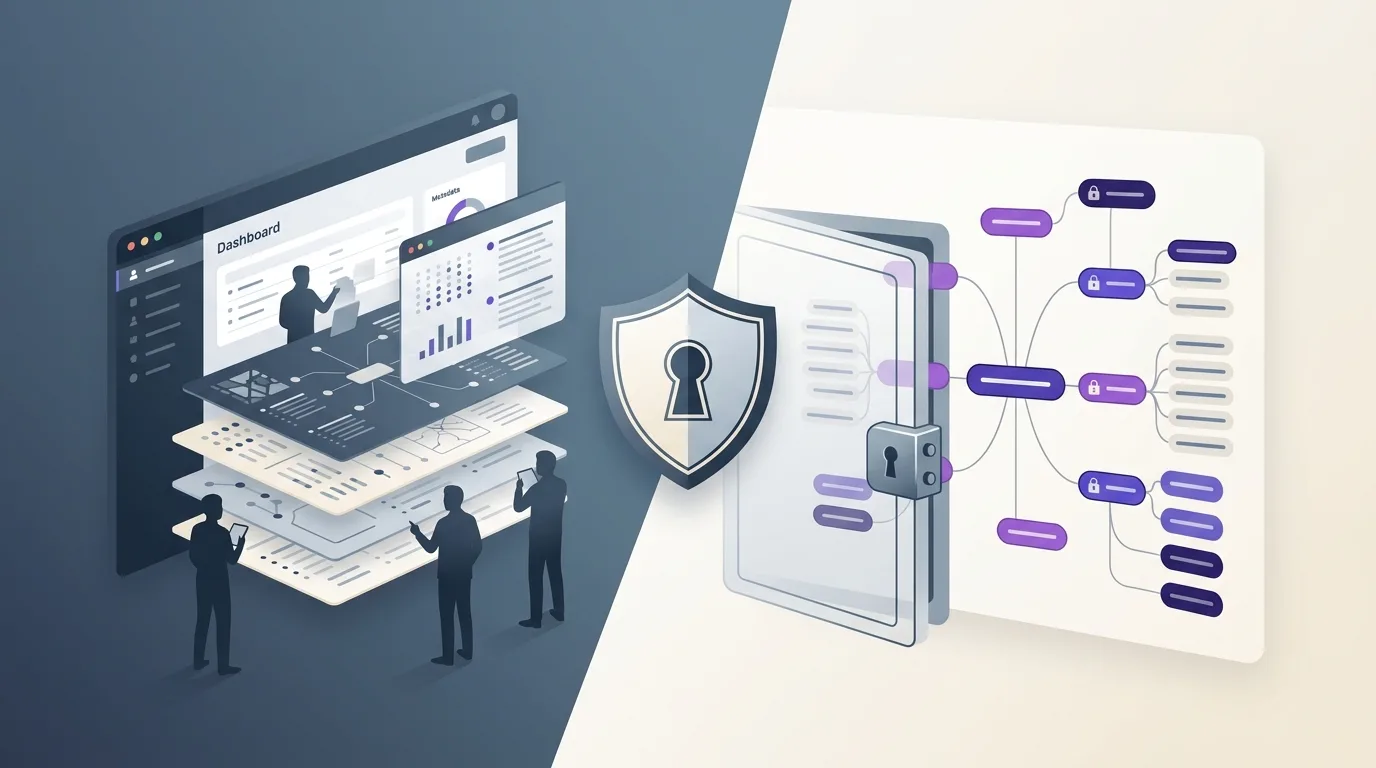
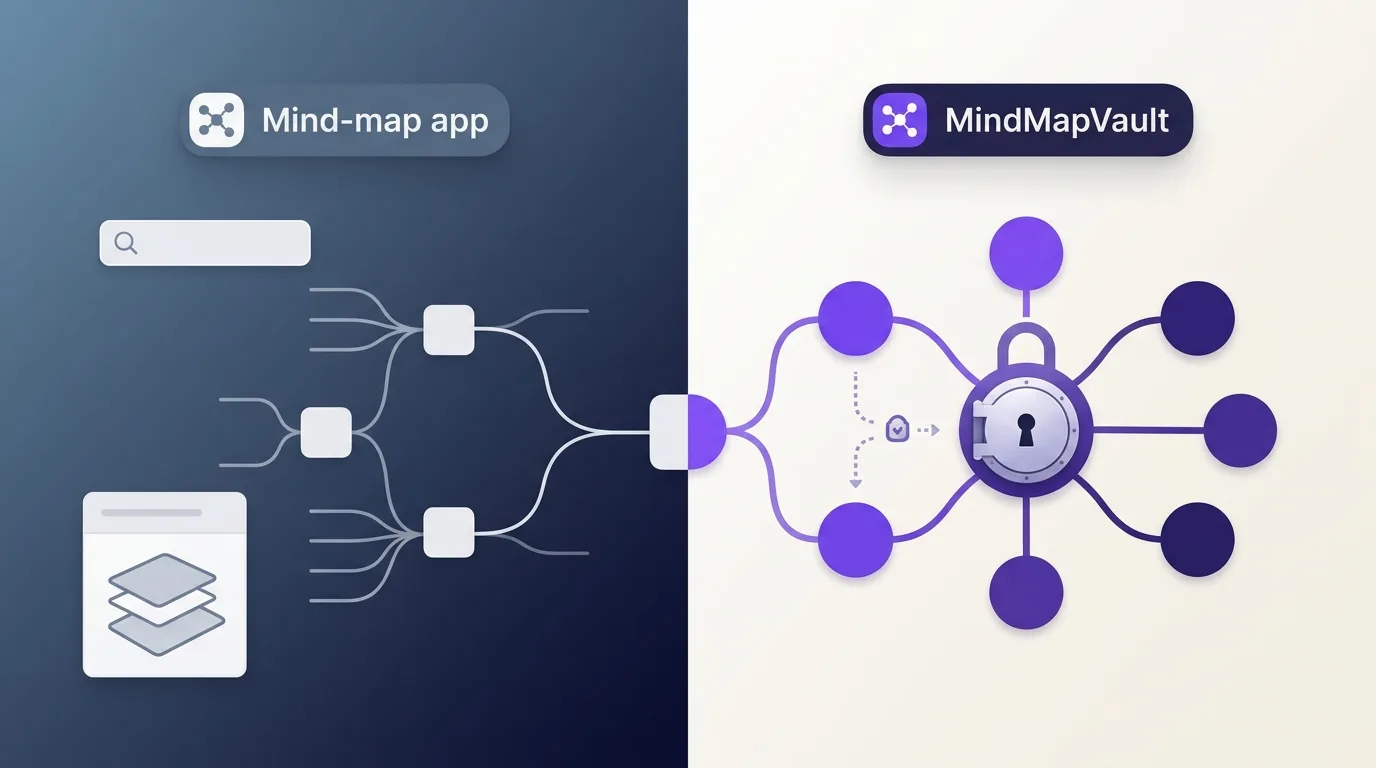
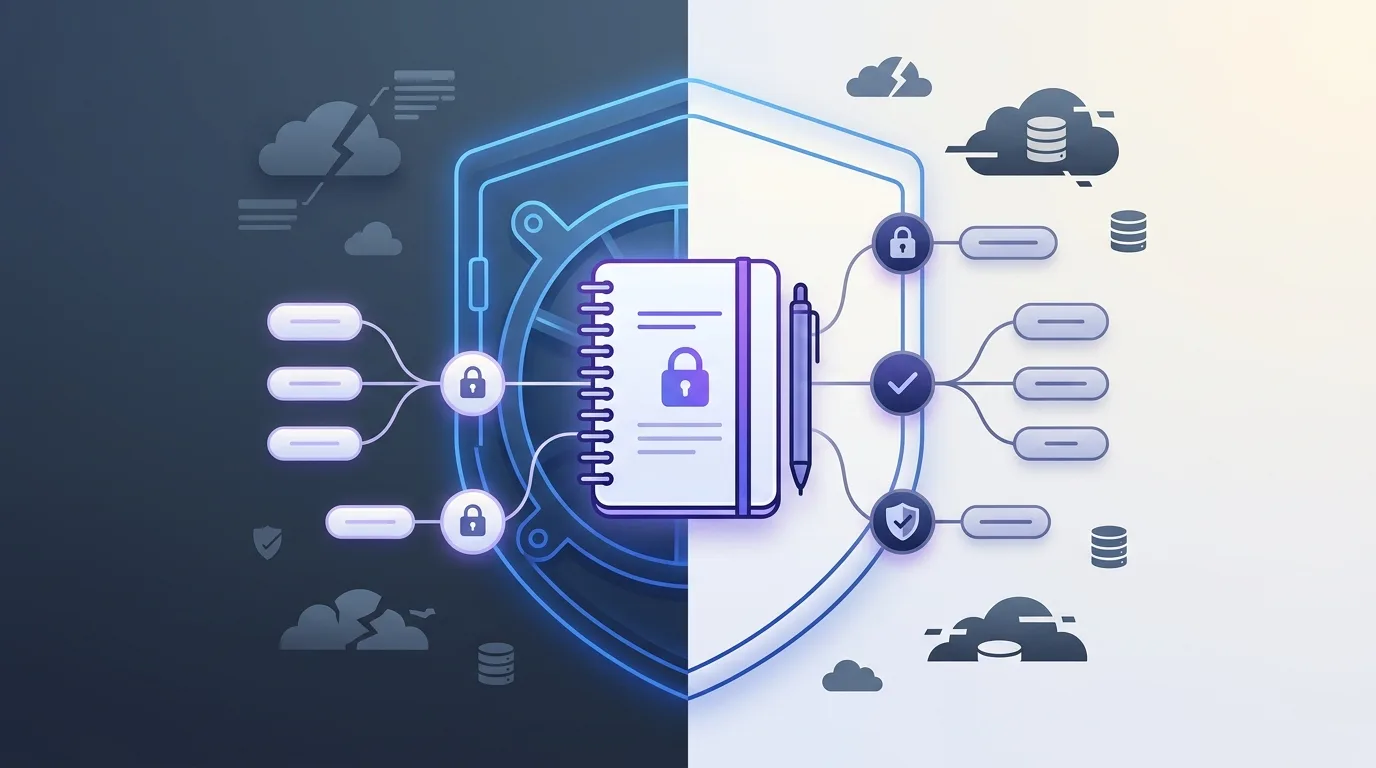
This question should be asked much more directly. Many product pages talk around it because the honest answer can be uncomfortable. If you store private notes or mind maps, you want to know whether the provider can technically read your content or whether it only stores encrypted blobs.
How to recognize the answer
Watch for phrases like "we can help if needed," "we support account recovery," or "our systems protect your data." Statements like these are not automatically bad, but they often say very little about actual plaintext access. More useful are concrete explanations of where keys live and who can decrypt content.
A short checklist
- Does encryption happen on the client?
- Can the provider reset passwords or keys without your involvement?
- Is content processed in plaintext for support, moderation, search, or analytics?
- Is only metadata visible, or actual content too?
The honest consequence
If the provider can read your data, that is not a disaster for every use case. But you should know it consciously and not confuse it with a stronger security model. For private research, personal planning, or sensitive internal thinking, that distinction matters.