Can Admin See My Notes?
Short answer
In many hosted apps, admins can manage accounts. That does not automatically mean they can read note content, but in many products they can or the system can do it on their behalf.
Why this question matters
People often hear "admin" and think only about billing or account support. But in some systems, administration also implies a path to the underlying content.
What a stronger privacy model tries to do
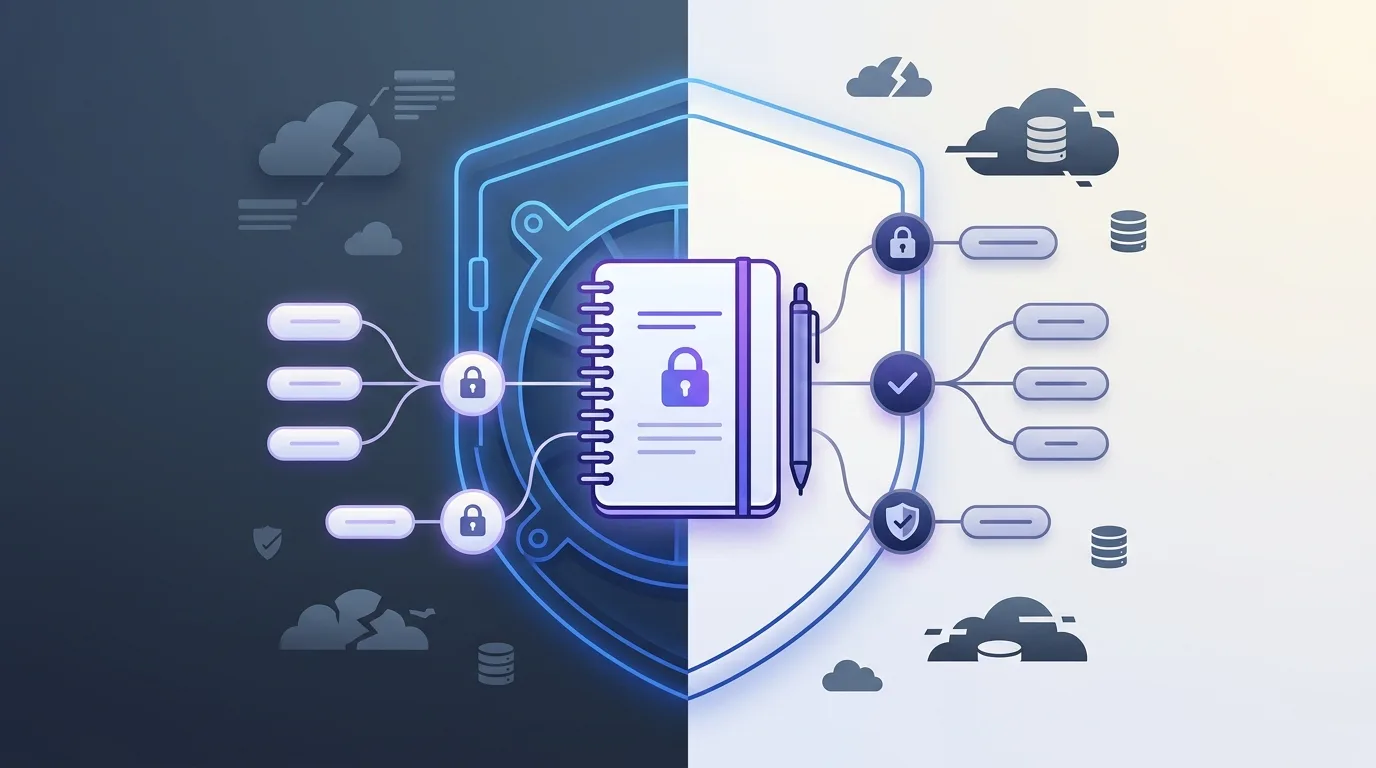
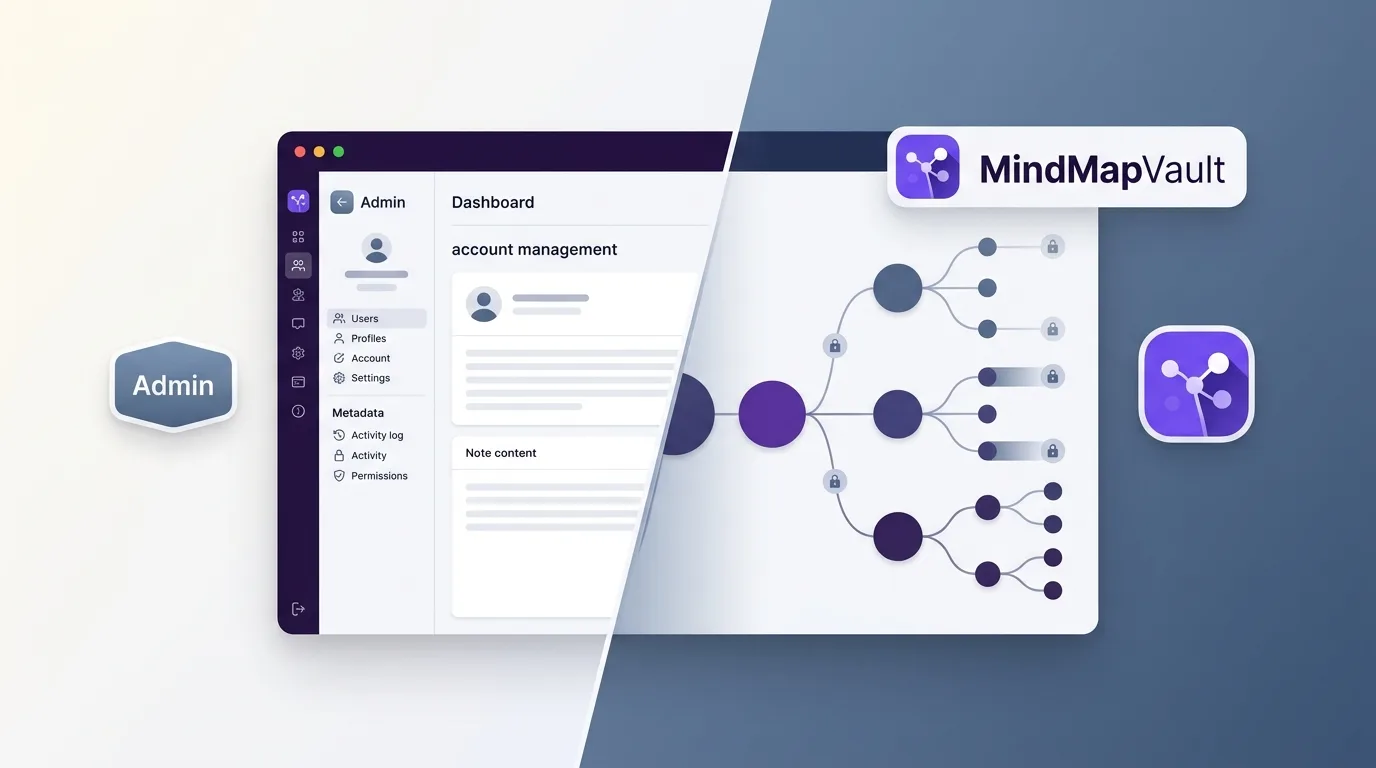
A privacy-first system tries to separate account administration from content readability.
That means an admin might still be able to:
- disable an account
- reset a subscription state
- view metadata
while still not being able to open the readable note body.
What to verify
- Can an admin impersonate a user and open notes?
- Can support tools render note content?
- Is there a recovery process that requires server-side readable access?
Admin access vs. content access
An admin role can mean several different things:
- account billing and subscription management
- device or session revocation
- metadata visibility for support and abuse handling
- content access through privileged tooling
Those are not the same. A trustworthy design keeps account control separate from readable note content.
What to verify before trusting it
- Can support staff open a note in normal or emergency workflows?
- Is there a server-side recovery path that decrypts content on demand?
- Are admin tools limited to account state, or can they render plaintext?
- Does the privacy policy match the technical architecture, or only the wording?
A practical takeaway
Good privacy is not about removing all administration. It is about limiting what administration can actually see.
If the product can say, with a straight face, that admins manage the account but cannot casually read the notes, that is a much stronger privacy boundary than a generic "we take privacy seriously" claim.