What Does Zero-Knowledge Encryption Mean in Practice?
Short answer
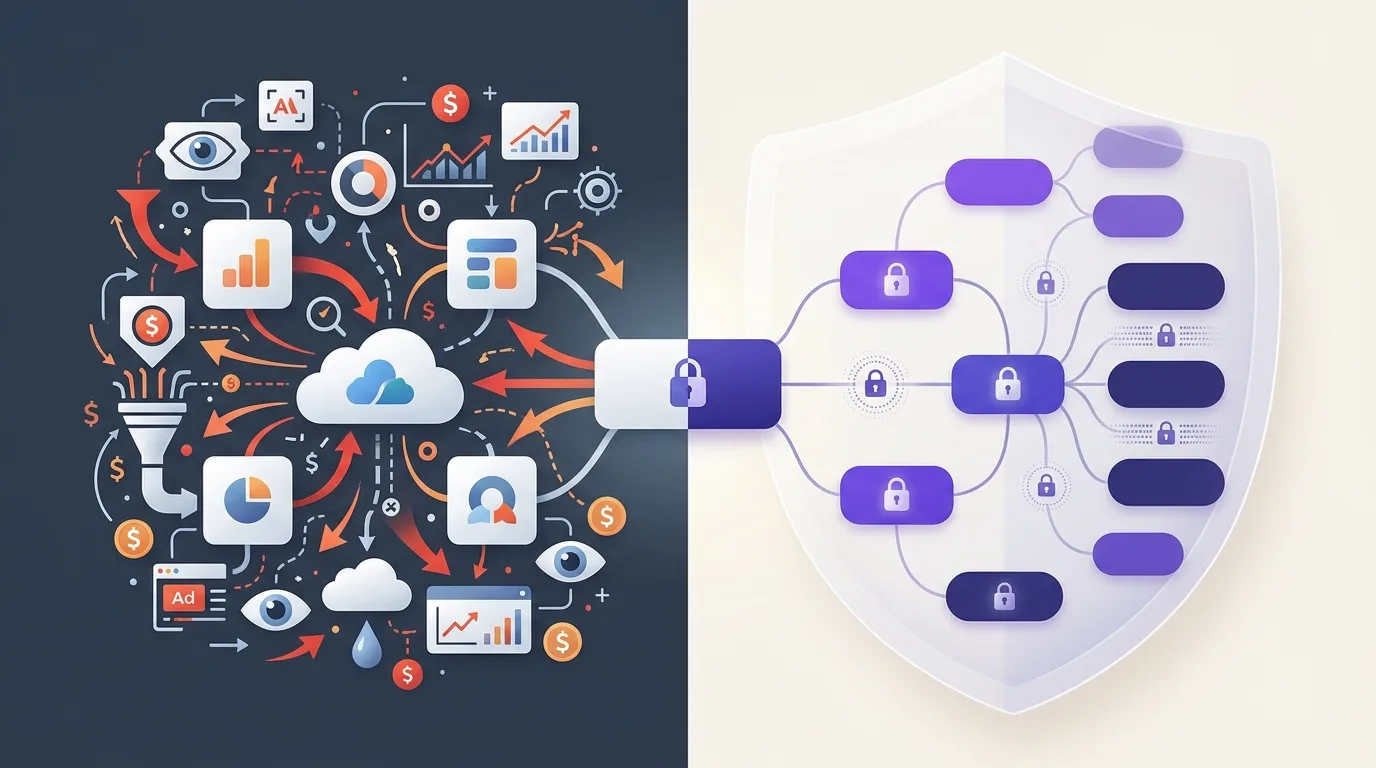
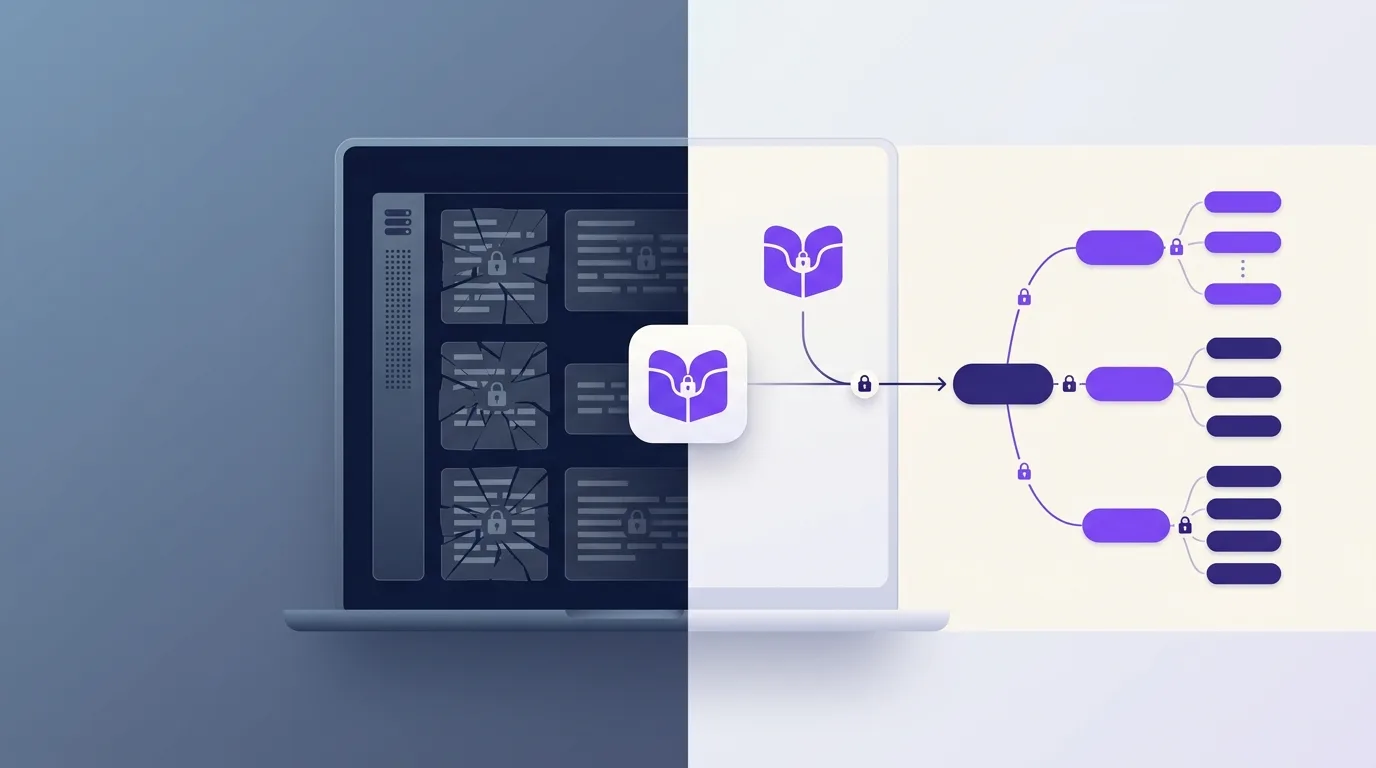
In practice, it means the user's device encrypts and decrypts the real content, while the service stores encrypted data it cannot casually interpret.
What changes for the user
- recovery may be more limited
- some server-side convenience features may be reduced
- the service should not have a normal "open this note" path
What changes for the provider
The provider may still store accounts, billing data, timestamps, file sizes, and other metadata, but the actual note body should remain unreadable without user-side secrets.
What this does not mean
It does not mean there is no metadata.
It does not mean your device is invulnerable.
It does not mean you never have to think about backups, passwords, or exports.
What zero-knowledge usually changes
The server becomes much less useful as a place to inspect content. That usually means:
- decryption happens on the device
- support cannot casually open note bodies
- server-side search and previews are limited or removed
- account recovery becomes more dependent on user-held secrets
What it does not remove
Zero-knowledge is not absolute invisibility.
You may still expose:
- account metadata
- timestamps and sync history
- file size and activity patterns
- device or IP information used by the service
Questions that reveal the real model
- Can the provider read the notes without my device?
- Can support restore my data if I lose the secret?
- Does the app still work when offline?
- Are attachments and exports protected the same way?
A practical takeaway
Zero-knowledge in practice is less about a magic label and more about a clear answer to one question: who can turn stored data back into readable notes?
If a product can answer those questions clearly, zero-knowledge is a real design choice rather than a branding phrase.