Private Notes for Research, Planning, and Drafts
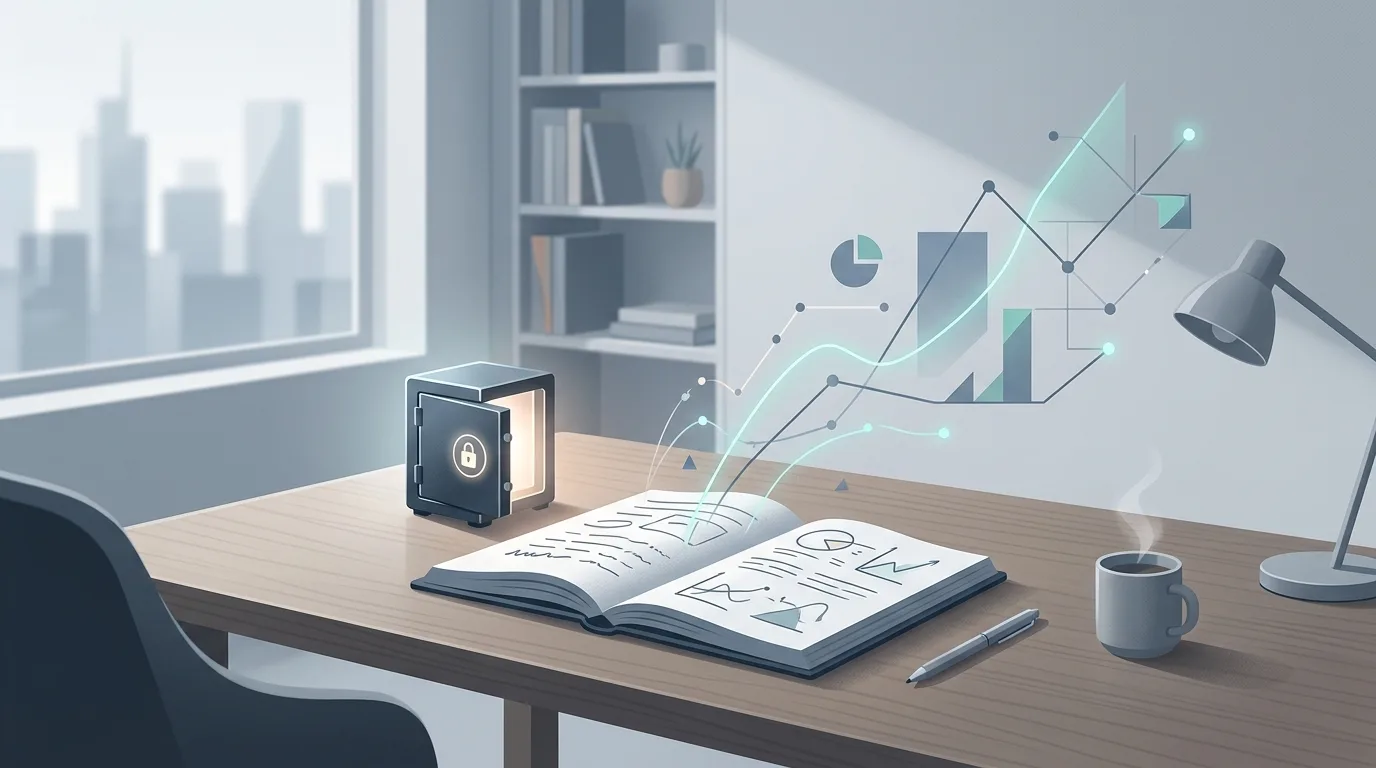
Early research, planning notes, and unfinished drafts often need more protection than final published versions. These in-between states reveal what you are working on, what you are thinking through, and which directions you are exploring. That makes them sensitive for many people and teams.
Why drafts are fundamentally different from finished work
A finished text is usually filtered, polished, and deliberately phrased. A draft contains uncertainty, alternatives, discarded ideas, and raw priorities. That openness is valuable for thinking, but it also deserves protection.
Finished work is what you want the world to see. Drafts are where you explore dangerous ideas, admit what you don't know, and organize sensitive data. The 'messy middle' of research requires a higher level of privacy because it contains the raw building blocks of your intellectual property before they are polished and protected.
Concrete examples of at-risk draft content
- Proprietary research methodologies before patent filing.
- Investigative journalism leads and whistleblower identities.
- Early-stage business strategies and competitive analysis.
- Personal reflections that could be taken out of context if leaked.
What this means for tool choice
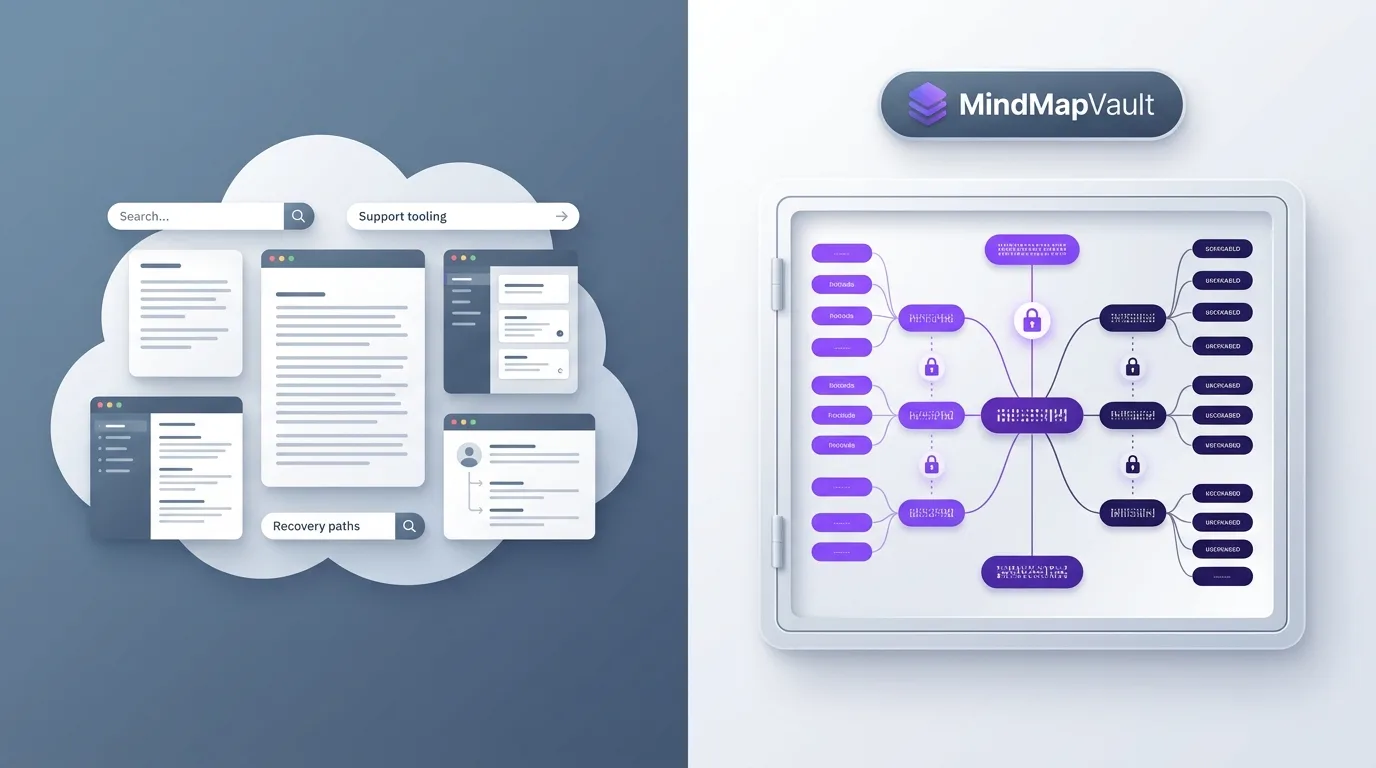
If you use tools for research or planning spaces, do not look only at convenience. Ask whether the provider could read that content, whether your work in progress would be visible internally, and whether you can move to local operation when needed.
For drafts, 'good enough' privacy isn't enough. You need tools that ensure 'zero-knowledge' storage. If the company hosting your drafts can read them, they are a liability to your creative and professional process.
A practical consequence
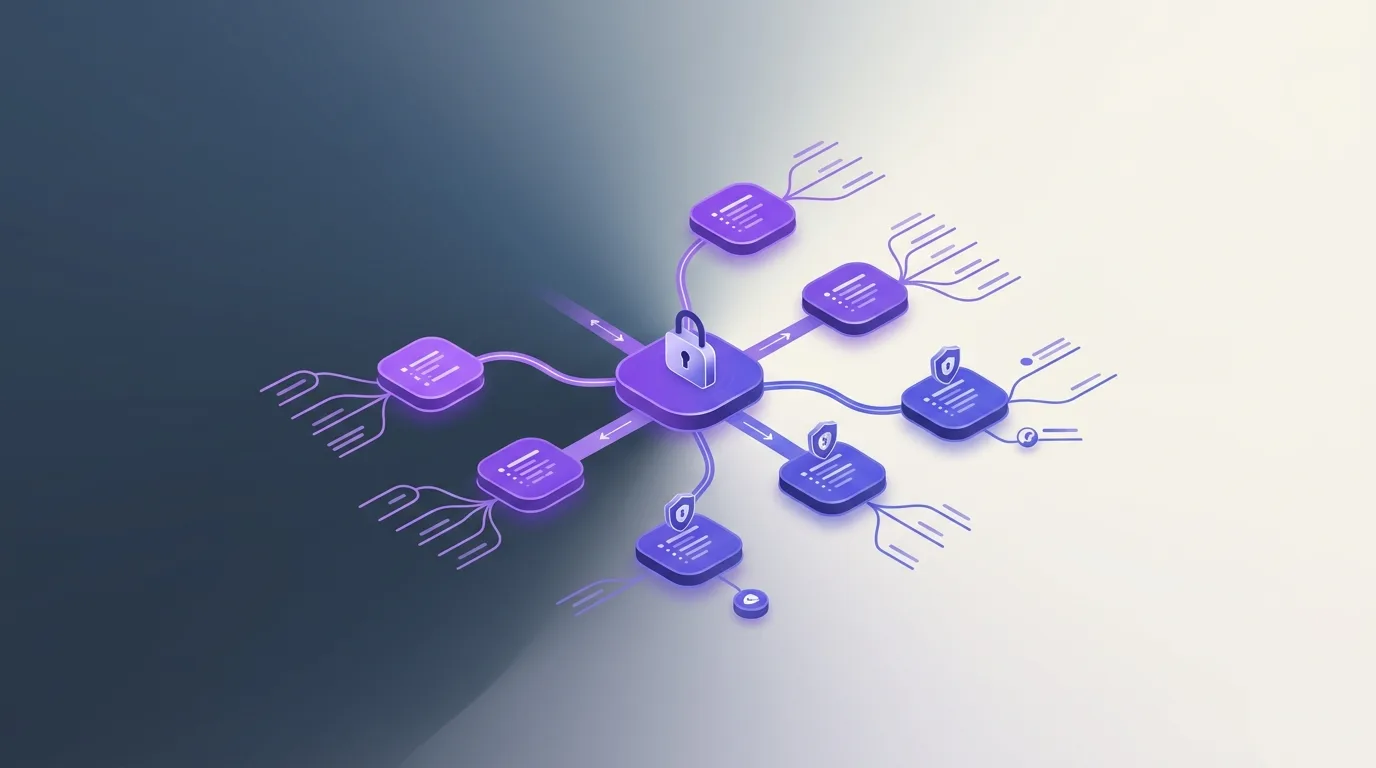
For research, strategy, personal planning, and sensitive drafts, it is worth using a tool that takes privacy seriously at the architectural level. Then the workspace is not only convenient, but aligned with your actual protection needs.