Why Zero-Knowledge Matters
Short answer
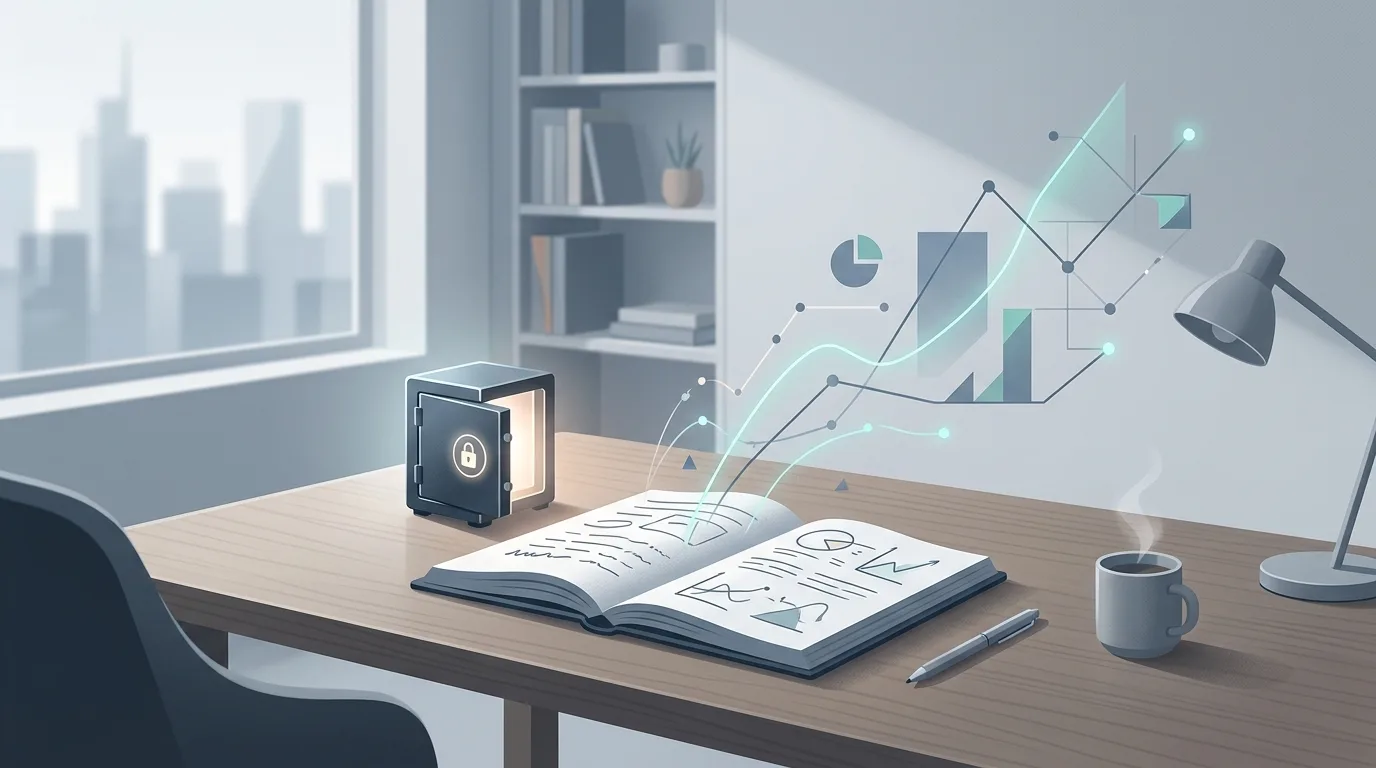
Zero-knowledge matters because many notes are not finished documents. They are private thinking in progress.
Why this is different from ordinary storage
A private note often contains uncertainty, planning, emotion, health details, business ideas, or half-formed thoughts. A mind map can reveal even more because it also exposes relationships, priorities, and structure.
Why people care
Without a strong privacy boundary, users have to trust that the provider will always behave well, store things safely, and never expand access later. Many people would rather not depend on that much goodwill.
What zero-knowledge changes
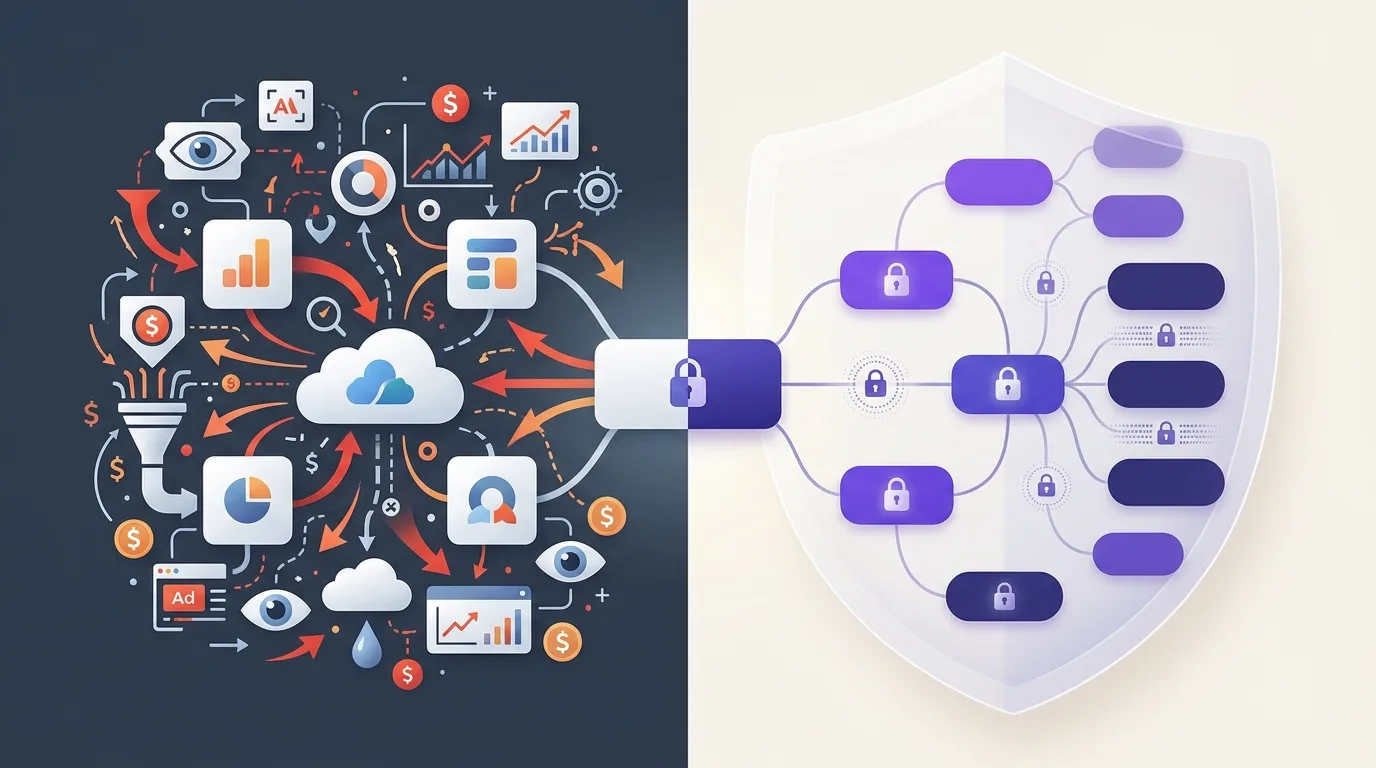
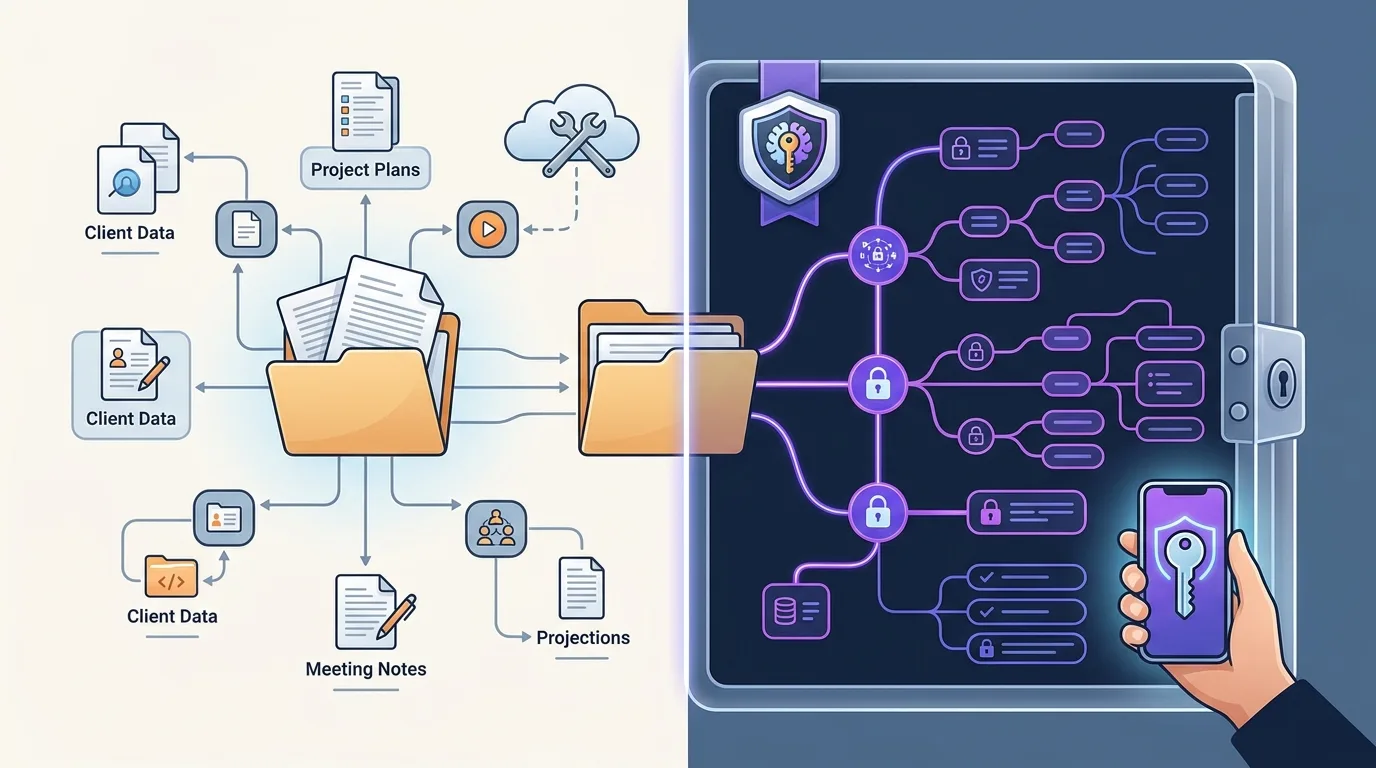
Zero-knowledge changes the trust model.
Instead of saying, "Please keep my notes safe," it tries to say, "You do not need to be able to read them in the first place."
What it costs
There are tradeoffs.
- account recovery is harder
- some convenience features are harder to build
- server-side search and indexing may be limited
Why the tradeoff is still worthwhile for some people
For many people, the point of notes is freedom of thought. If that freedom depends on the provider not reading the content, then a stronger privacy model is not a luxury feature. It is the point.
Why the trust shift matters
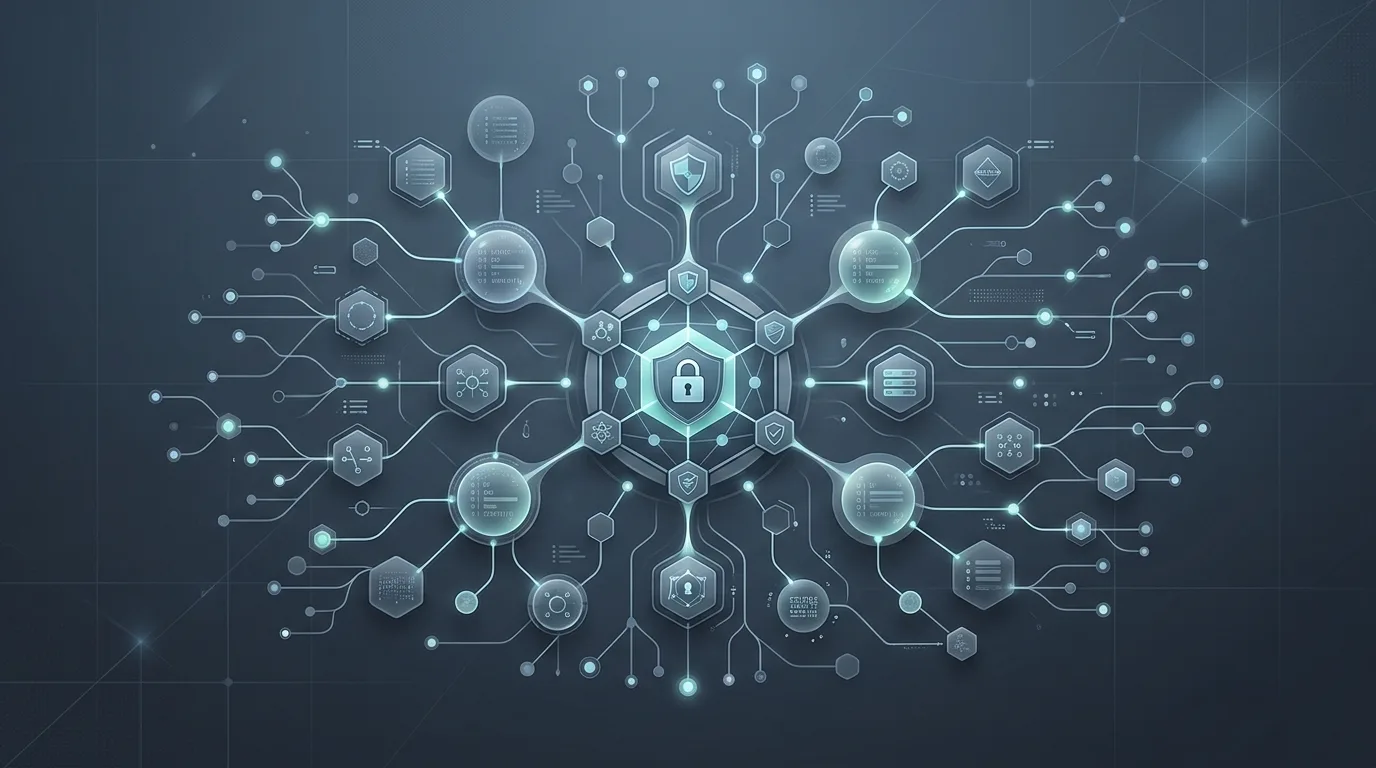
Zero-knowledge shifts the burden away from trusting a provider's restraint and toward trusting the design.
That matters when notes are about:
- unfinished thinking
- private planning
- sensitive research
- personal reflections
- visual structure that reveals more than the text alone
The tradeoffs
There are real tradeoffs:
- recovery is harder when the provider cannot open content
- search and previews may need to run locally
- support workflows become narrower
Those tradeoffs are often acceptable when privacy is the main requirement.
A practical way to decide
Ask whether the note content could harm you if the provider, a support agent, or a server breach saw it in readable form. If the answer is yes, zero-knowledge matters.