Is My Data Really Private?
Short answer
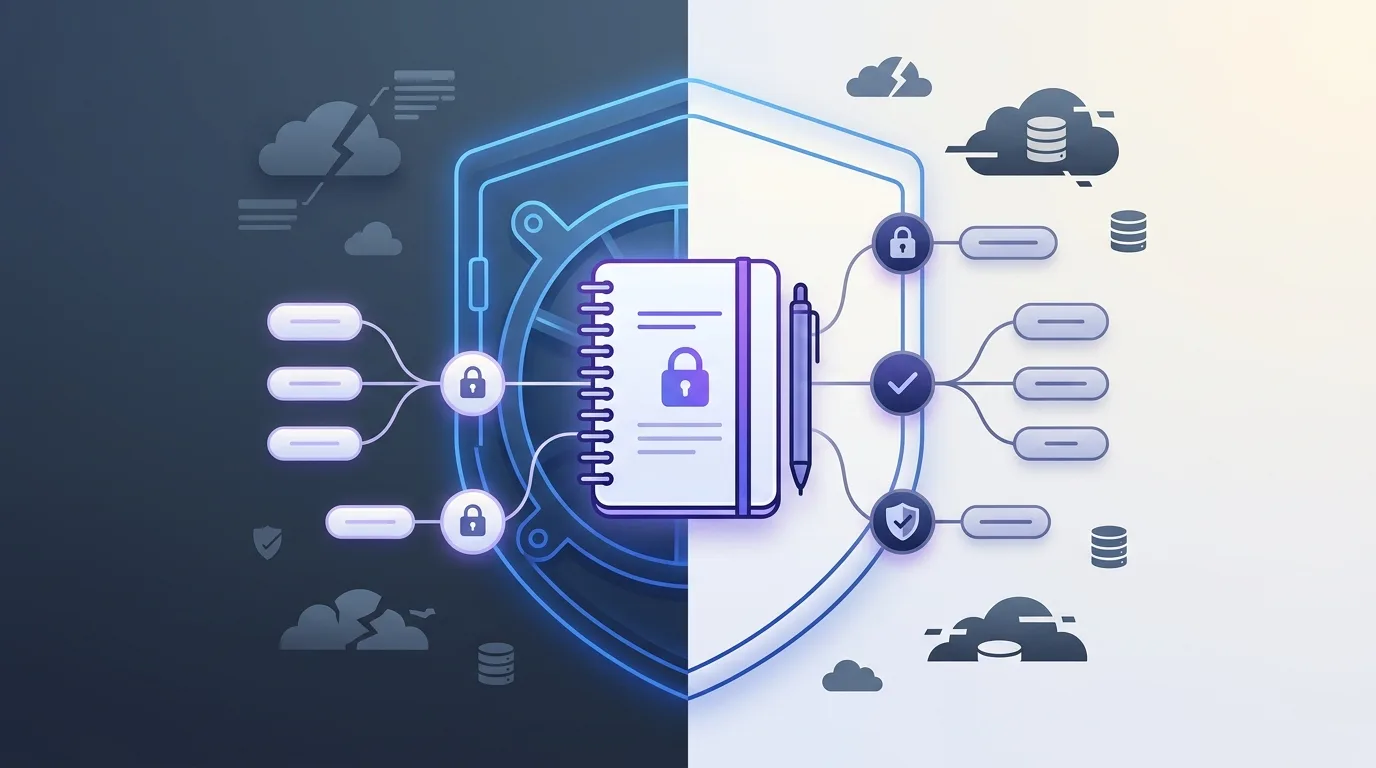
Privacy is not a yes-or-no label. It is a stack of questions about access, storage, metadata, recovery, and trust.
A simple checklist
- Is note content encrypted before upload?
- Can the provider read the note body?
- Can admins or support inspect content?
- What metadata remains visible?
- What happens during recovery?
- What leaks through exports, logs, or integrations?
Why marketing can be confusing
Words like "private," "secure," and "encrypted" can all be true while still leaving a provider-side path to readable data.
What to look for instead
Look for explanations about:
- where keys are managed
- where decryption happens
- what the server stores
- what the operator can and cannot access
The privacy stack
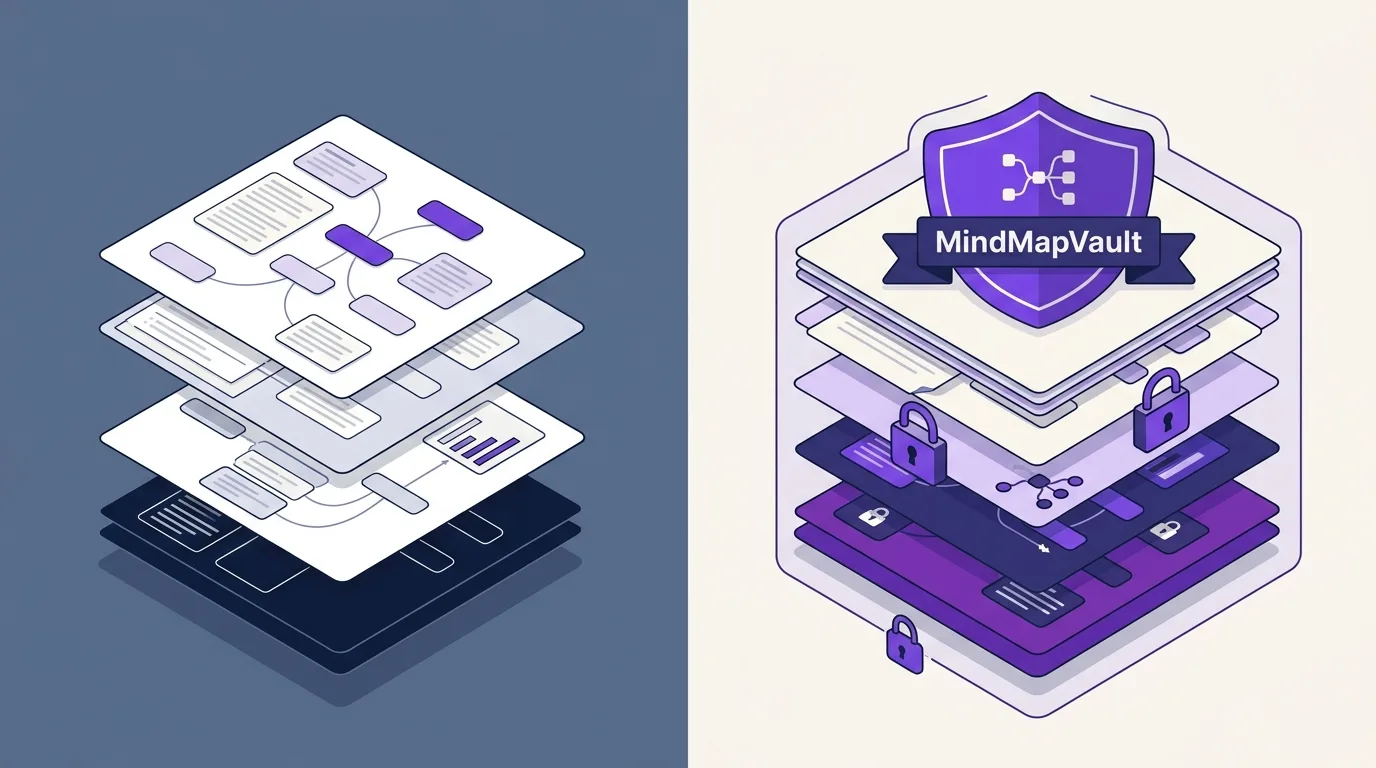
It helps to think of privacy as a stack of layers:
- content privacy: can the provider read the note body?
- metadata privacy: what can be inferred from timing, size, or device data?
- recovery privacy: what happens when you forget a password or lose a device?
- operational privacy: who can inspect logs, support tickets, or admin tools?
Six useful questions
- Is the data encrypted before upload?
- Can support staff inspect content in a normal workflow?
- Can the backend search plaintext notes?
- Are attachments and exports protected too?
- Does the app need accounts or telemetry to function?
- What happens if the provider is breached tomorrow?
A practical takeaway
Your data is more meaningfully private when the product reduces both policy risk and technical access risk.
"Private" is most believable when the answer to each layer stays narrow and the provider needs the least possible readable access.